



 Home
Home
Sieyuan supplied 157 instrument transformers at 550 kV and 245 kV for Peru's La Niña-Piura transmission hub, shake-table qualified to 0.5 g under IEEE 693.
High-Seismic-Performance 550 kV Instrument Transformers for a Transmission Hub Project in Peru
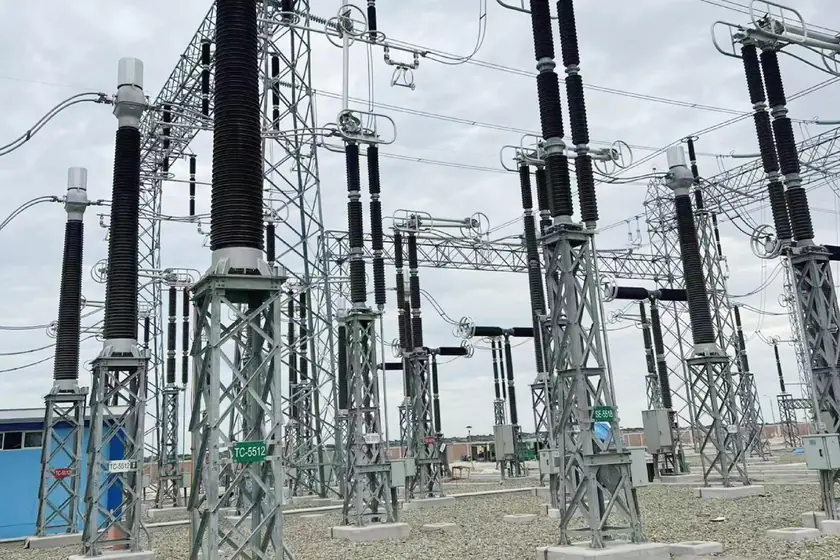
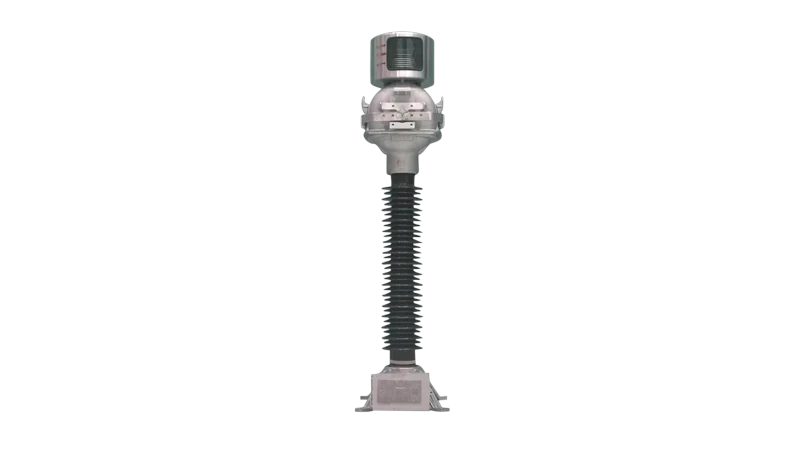
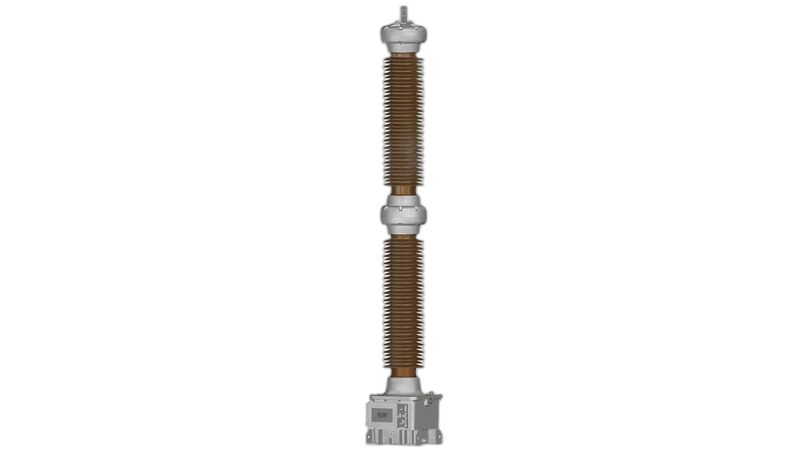
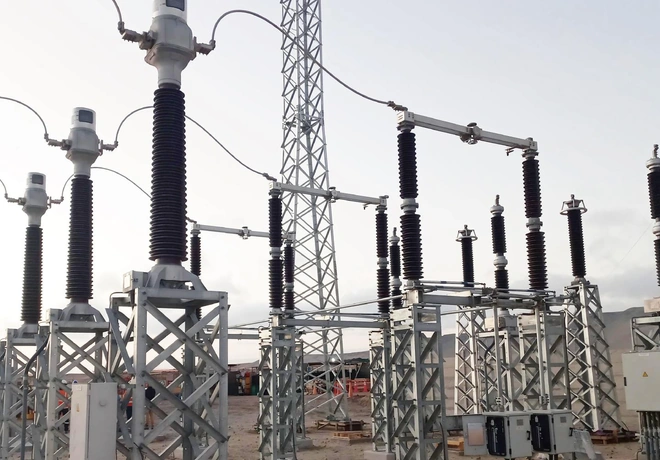
Located along the Circum-Pacific Volcanic-Seismic Belt, Peru faces frequent strong earthquakes that impose stringent seismic requirements on substation equipment. Meanwhile, growing power demand in northern regions such as Piura and Tumbes is placing greater pressure on existing transmission infrastructure. For the La Niña-Piura Transmission Hub Project, Sieyuan supplied 157 instrument transformers in the 550 kV and 245 kV classes, for 500 kV and 220 kV transmission systems respectively. The equipment passed full-scale shake-table tests and obtained formal seismic qualification reports, while customized corrosion-resistant and sealing solutions addressed the coastal environment.

Project Overview
Sieyuan supplied 157 instrument transformers at 550 kV and 245 kV for Peru's La Niña-Piura transmission hub, shake-table qualified to 0.5 g under IEEE 693.
Project Background
A National Transmission Plan hub strengthening northern Peru's 500 kV and 220 kV networks.
Key Challenges
0.5 g seismic qualification, coastal salt spray and consistency across 157 units.
Sieyuan Solution
Structural optimisation, full-scale shake-table validation and batch quality control.
Technical Highlights
IEEE 693 qualification reports, cemented porcelain joints and gasket-free welded structures.
Project Overview


Project Background
As part of Peru’s 2017–2026 National Transmission Plan, the project strengthens high-voltage transmission infrastructure in northern Peru. The region’s seismic activity and coastal climate placed stringent requirements on equipment selection, with particular emphasis on seismic performance, environmental resistance, and long-term reliability.
Key Challenges
- 0.5 g seismic qualification — Strong seismic activity in Peru places high mechanical demands on tall instrument transformers. The project required the equipment to meet a 0.5 g seismic rating in accordance with IEEE 693, validated by full-scale shake-table testing.
- Coastal salt spray and humidity — High humidity and salt spray in Piura and Tumbes increase the risk of corrosion and sealing degradation, requiring enhanced protection for exposed components and critical joints.
- Multi-type batch supply — The project covered four instrument transformer types with different structural and testing requirements, requiring consistent engineering, manufacturing, and quality control across 157 units.
Sieyuan Solution
- Seismic-resistant structural optimization — Sieyuan optimized porcelain bushing strength, flange connections, center-of-gravity height, and base stiffness through seismic, electric-field, and thermal simulations. Cemented connections between porcelain bushings and metal components enhance structural integrity and reduce stress concentration under seismic loading.
- Full-scale shake-table validation — Sieyuan conducted full-scale shake-table tests using seismic time-history curves in accordance with IEEE 693. Critical acceleration and strain responses were monitored, followed by post-test inspection. No damage was identified in the porcelain bushings, cemented joints, or internal windings, and formal seismic qualification reports were obtained.
- Corrosion protection and batch quality control — Aluminum alloy was used for exposed metal components to improve salt-spray resistance. For CTs, robotic argon-arc welding formed integrated, gasket-free oil-reservoir joints, reducing gasket-related sealing risks. Standardized manufacturing and quality control ensured consistency across the 157-unit batch.
Technical Highlights
- 0.5 g full-scale seismic qualification — Physical shake-table testing verified the equipment’s seismic performance in accordance with IEEE 693, with formal qualification reports provided.
- Porcelain-to-metal cemented joint technology — Cemented joints between porcelain bushings and metal components enhance structural integrity under seismic loading.
- Gasket-free welded structure — Robotic argon-arc welding integrates CT oil reservoirs and reduces gasket-related sealing risks.
- Aluminum-alloy corrosion protection — Exposed metal components were optimized for the project’s coastal salt-spray and high-humidity conditions.