




 Home
Home
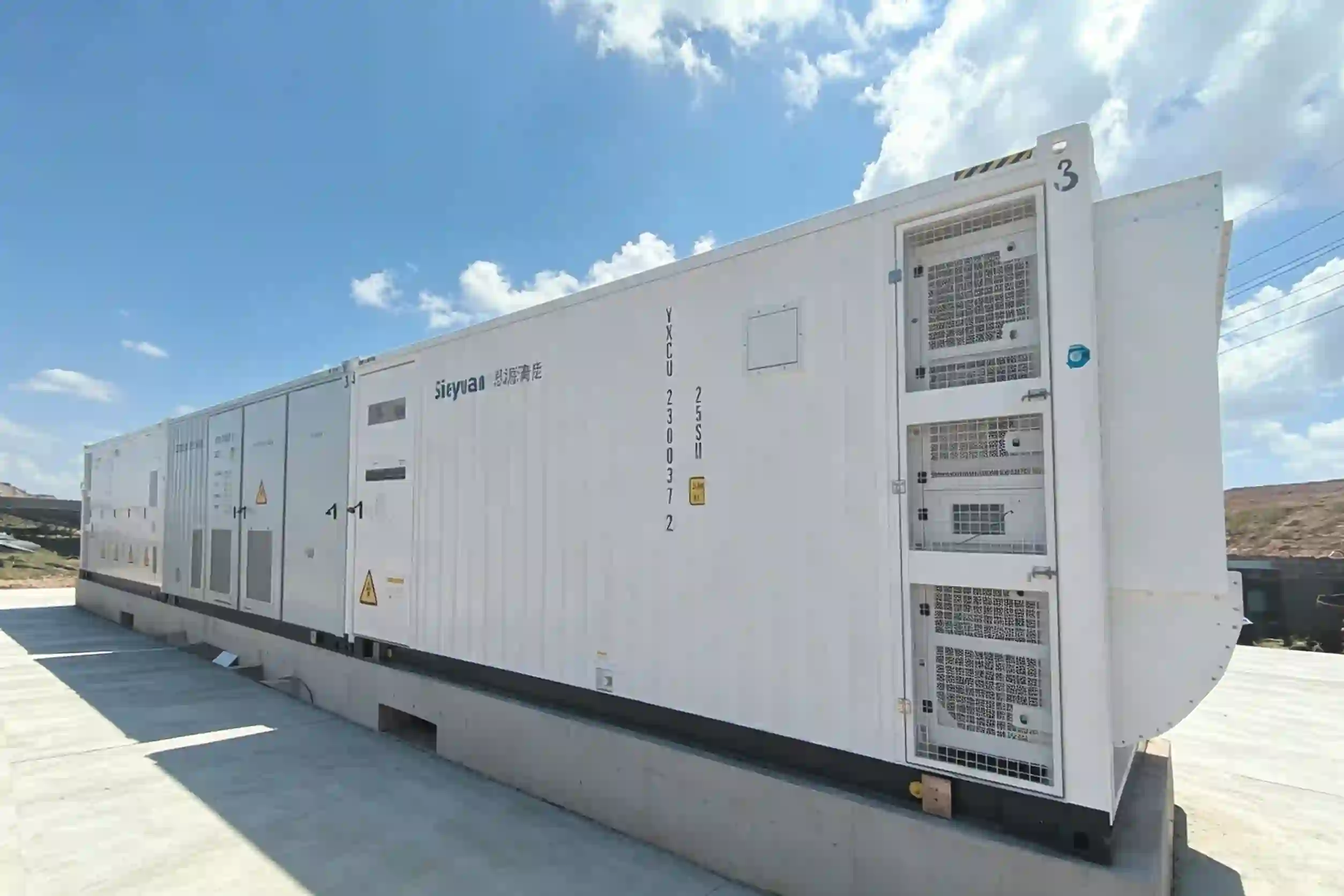
Sieyuan built a PV-diesel-storage microgrid around a 6.68 MW / 13.36 MWh grid-forming BESS for a metallurgical plant in Kolwezi, DR Congo.
Solar-Diesel-Storage Microgrid Solution for a Metallurgical Factory in Congo
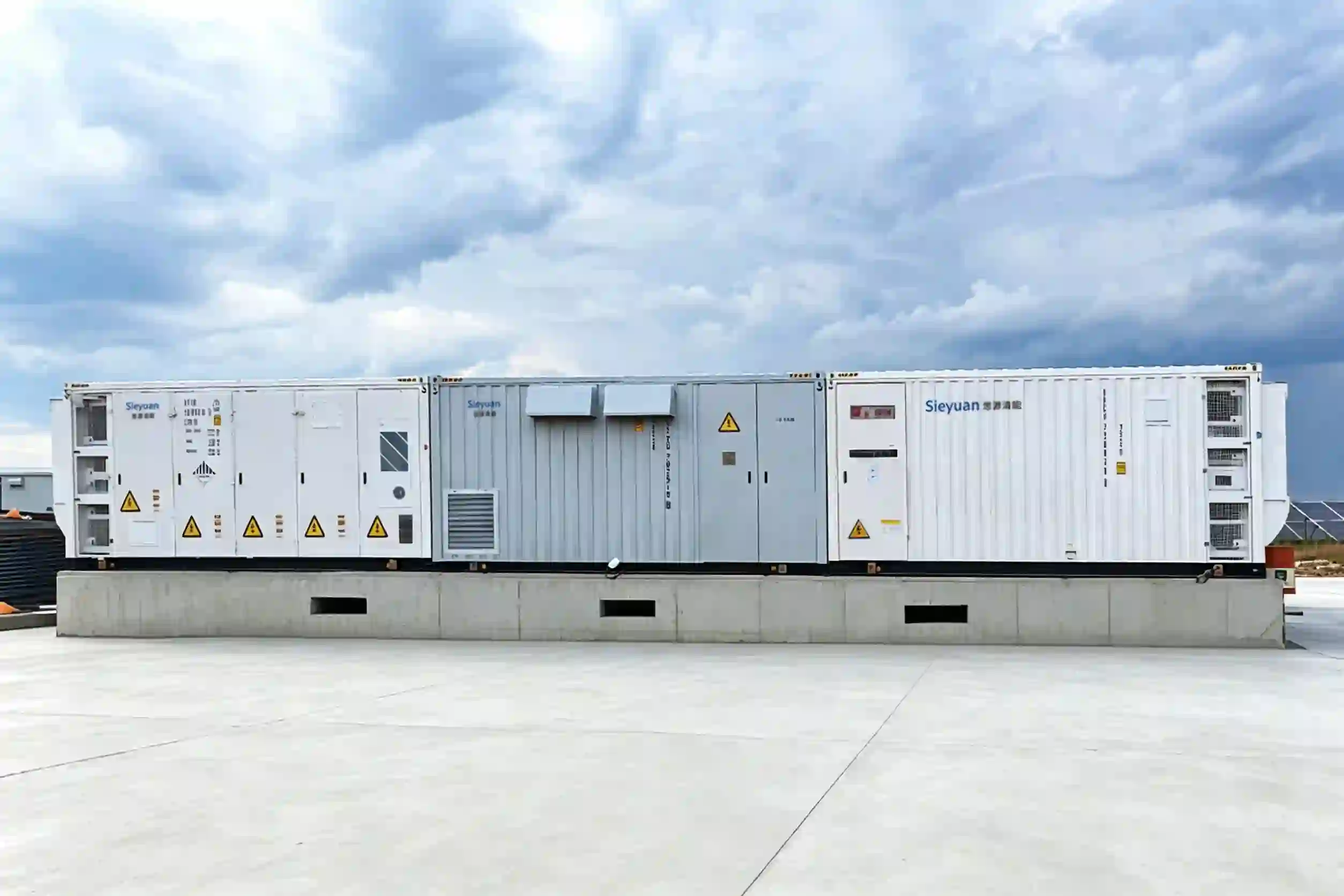
Sieyuan Electric delivered a complete PV-diesel-energy storage microgrid solution for a metallurgical factory in Kolwezi City, Lualaba Province, Democratic Republic of Congo. The project integrated a 6.68 MW / 13.36 MWh grid-forming battery energy storage system (GFM-BESS) with 13 MWp of photovoltaic capacity and 36 MW of existing diesel generation to maximize renewable energy utilization. The solution significantly reduces diesel generator runtime and operating costs, improves power quality and supply reliability, and reduces the factory's overall energy costs.

Project Overview
Sieyuan built a PV-diesel-storage microgrid around a 6.68 MW / 13.36 MWh grid-forming BESS for a metallurgical plant in Kolwezi, DR Congo.
Project Background
A diesel-dependent metallurgical plant seeking cheaper, cleaner power.
Key Challenges
More than ten grid outages a day and poor power quality on diesel generation.
Sieyuan Solution
Grid-forming storage, EMS and coordinated control tying PV, diesel and storage together.
Technical Highlights
Load-profile modelling and simulation sizing PV and BESS before construction.
Project Overview


Project Background
Located in Kolwezi City, Lualaba Province, in Central Africa, this metallurgical factory sought to improve energy efficiency by transitioning from a diesel-dependent power system to an integrated PV-diesel-energy storage microgrid. The project aimed to provide a robust power distribution backbone, unlock the potential of renewable energy, enhance continuous supply capability, and reduce overall energy costs.
Key Challenges
Unstable Power Supply — The factory operates 20 × 1.8 MW diesel generators due to unreliable grid access and limited incoming power. The public grid experienced frequent outages—more than ten per day, each lasting 10 to 30 minutes.
Poor Power Quality and Low System Reliability — Operating as the primary power source, the heavy-oil generators produced poor power quality, frequently triggering under- or over-frequency conditions that caused system trips, outages, and long restoration times. When factory load exceeded generator capacity, a full shutdown would occur across all busbar-connected equipment, extending recovery periods further.
High Diesel Operating Costs — Continuous reliance on diesel generation drove electricity expenses to unsustainable levels, significantly eroding the factory's economic performance.
Sieyuan Solution
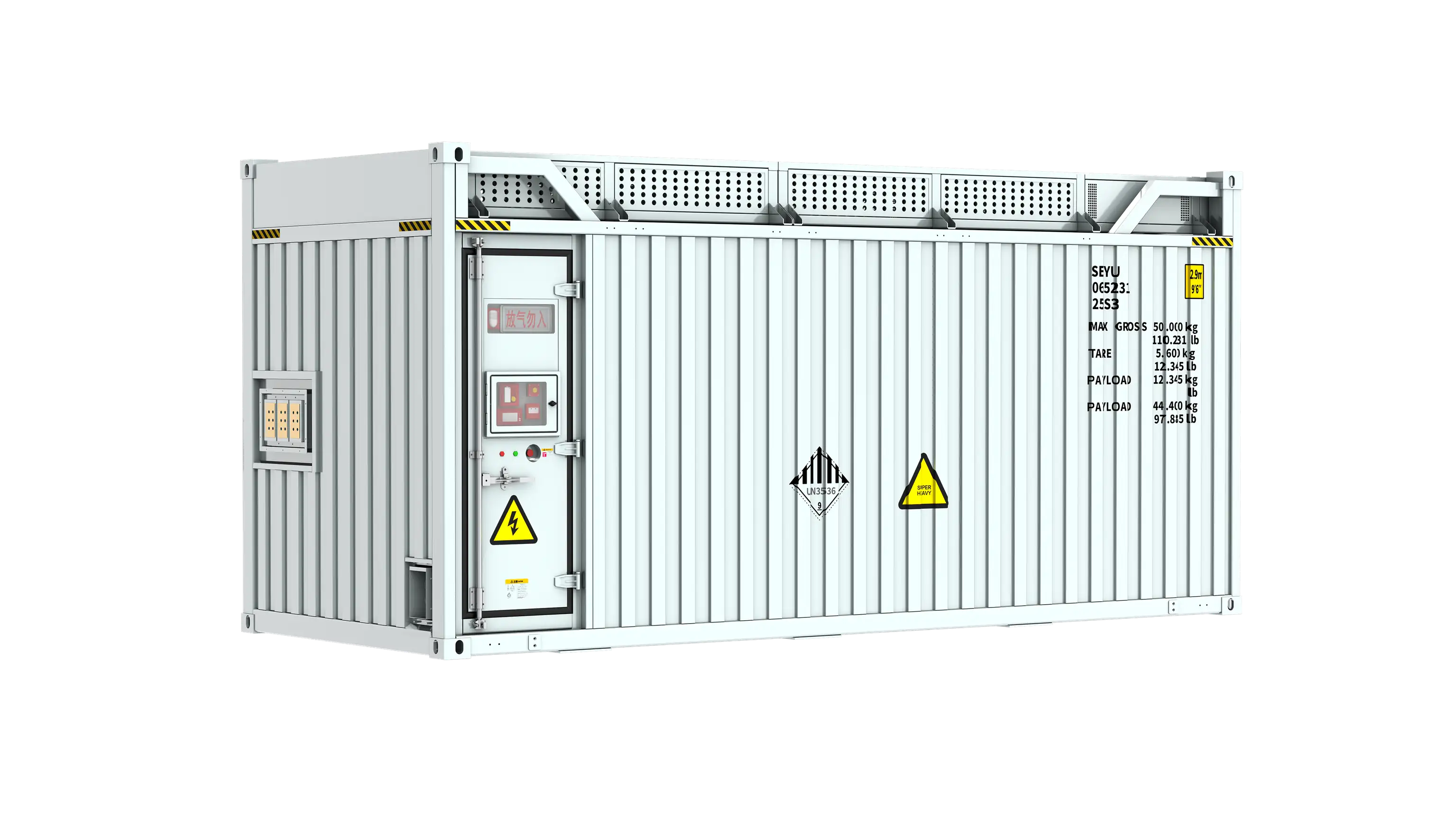
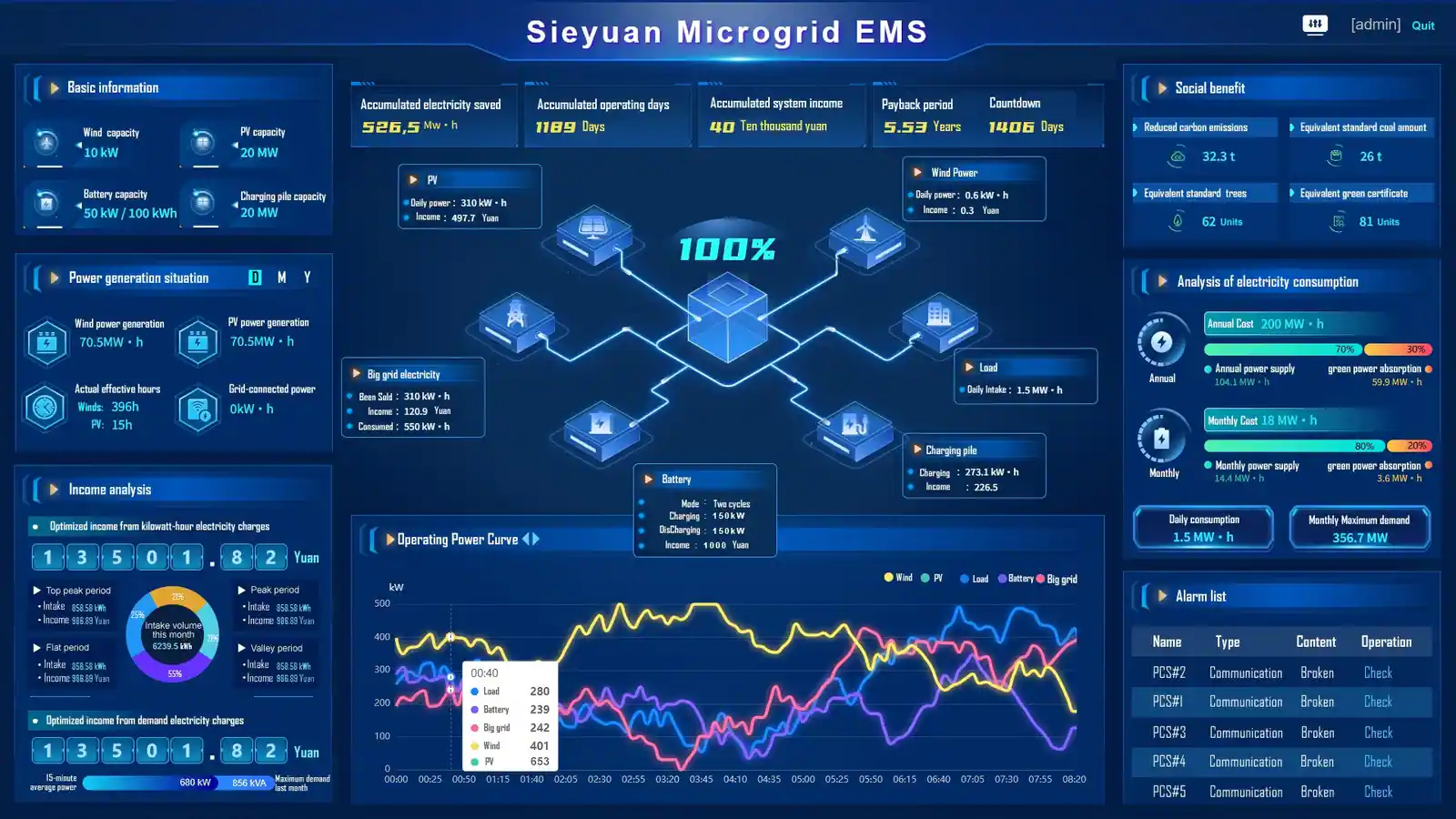
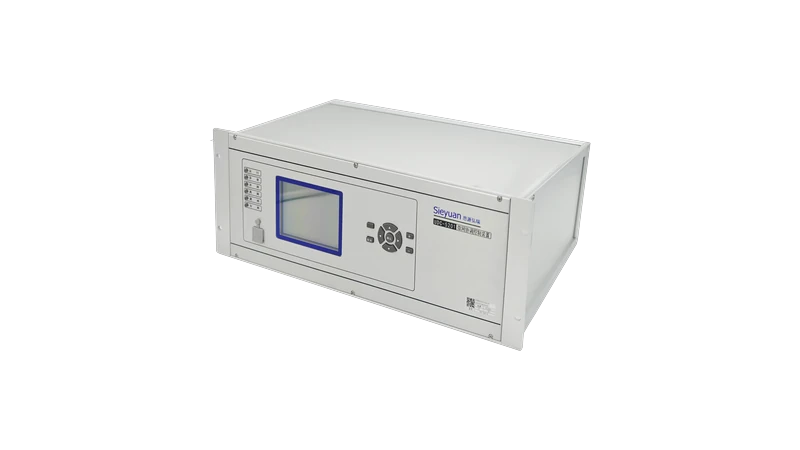
To address these challenges, Sieyuan Electric supplied a complete microgrid solution comprising a 6.68 MW / 13.36 MWh grid-forming energy storage system (GFM-BESS), a microgrid energy management system (EMS), a microgrid coordinated controller (MGCC), and system simulation services.
The system supports multiple control modes including Virtual Synchronous Generator (VSG), Voltage/Frequency (VF), Power (PQ), and Maximum Power Point Tracking (MPPT). The optimized energy dispatch strategy reduces annual diesel consumption and substantially lowers the Levelized Cost of Electricity (LCOE). System design accounts for local solar resource distribution and load fluctuation characteristics to ensure continuous, stable power supply aligned with the factory's growing production demands.
Sieyuan applied a range of customized designs and advanced technologies to meet local site conditions and high-standard project requirements, covering grid adaptability, environmental adaptability, equipment reliability, fire safety, and operational safety.
Technical Highlights
One-Stop Planning and Simulation — In the early project phase, Sieyuan conducted load profile-based modeling and simulation to determine PV and BESS capacity, customize control strategies, and perform system stability analysis — ensuring safe, stable, and efficient microgrid operation across all scenarios.
Comprehensive Portfolio of Proprietary Core Products — Sieyuan's proprietary products — including EMS, MGCC, GFM-BESS, and Protection & BCU — were deployed across the project, ensuring consistent delivery schedules and product quality.
Proprietary Generation and Load Forecasting Software — High-accuracy forecasting of PV output and load variations enables proactive identification of generation and consumption trends, supporting optimal regulation strategies that reduce power costs and improve economic returns.
Off-Grid Stable Operation via Grid-Forming Technology — By simulating the rotor dynamics and excitation characteristics of synchronous generators, the GFM-BESS establishes and maintains stable system voltage with zero-delay inertia and reactive power support. With primary frequency control and active voltage regulation, the system enables seamless transitions between grid-connected and off-grid operation, and can independently build and sustain a stable voltage system in off-grid mode.