


 Home

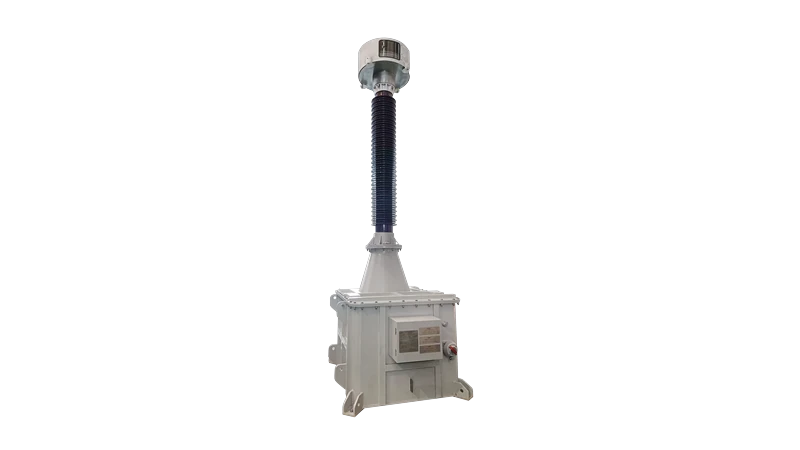
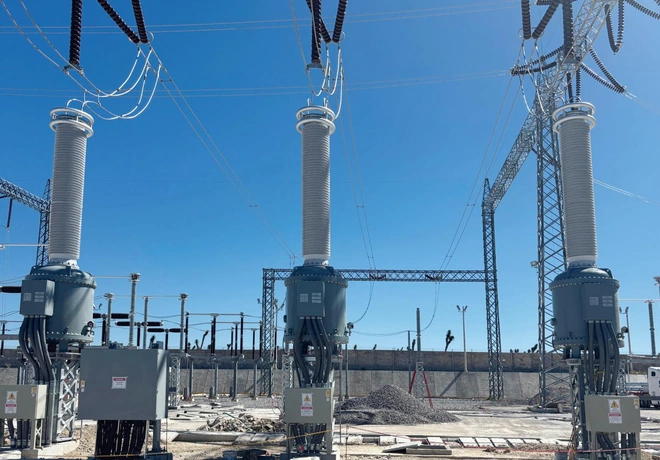
Sieyuan Electric supplied nine 420 kV gas-insulated station service voltage transformers for Phase 1 of Mexico's CFE I20 SIN project at the Mazatlán II substation.
High-Capacity 420 kV Gas-Insulated Station Service Voltage Transformers for Mexico’s CFE I20 Project
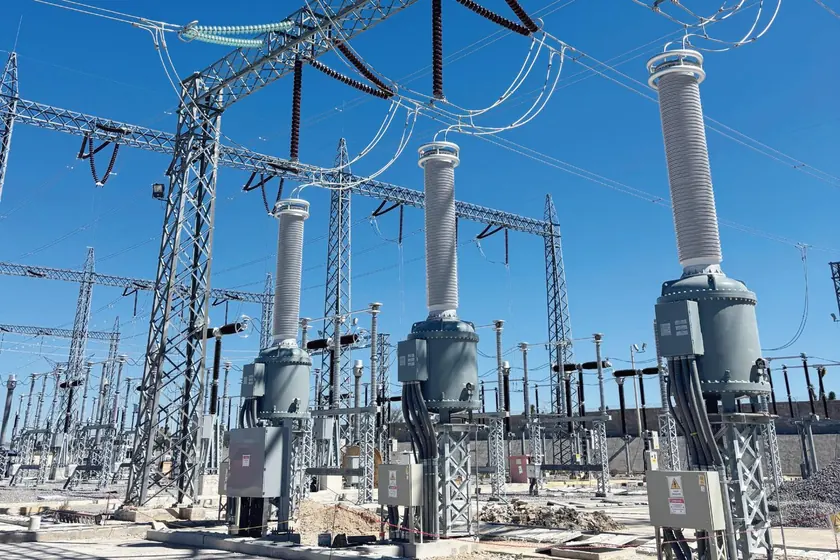
Sieyuan Electric supplied nine 420 kV gas-insulated station service voltage transformers for Phase 1 of Mexico’s CFE I20 SIN project. With a rated capacity of 167 kVA and an integrated 200 VA, Class 0.2 metering winding, the units were delivered within five months (EXW) to meet the project’s demanding technical and schedule requirements.

Project Overview
Sieyuan Electric supplied nine 420 kV gas-insulated station service voltage transformers for Phase 1 of Mexico's CFE I20 SIN project at the Mazatlán II substation.
Project Background
A key grid upgrade at the Mazatlán II 230/400 kV hub substation to improve voltage stability and renewable integration.
Key Challenges
Thermal management under high-capacity operation, coastal corrosion resistance and Class 0.2 metering accuracy.
Sieyuan Solution
Electromagnetic and thermal optimization, coastal corrosion protection, and metering performance with fault protection.
Technical Highlights
167 kVA with a Class 0.2 metering winding, reported 50% reductions in no-load loss and no-load current, <45 K temperature rise and coastal protection.
Project Overview


Project Background
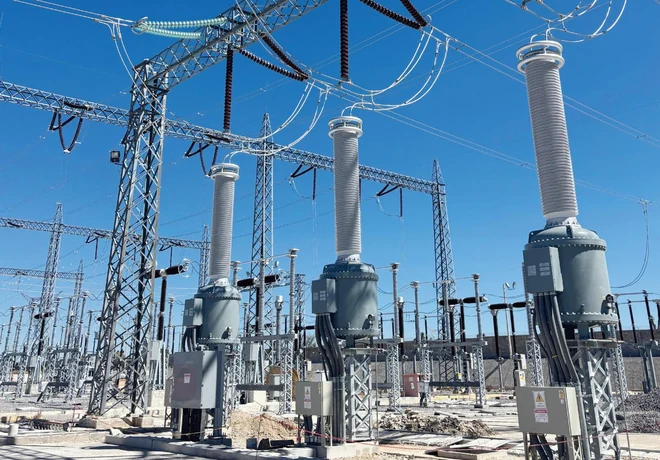
Northwest and West Mexico have abundant wind and solar resources, but limited transmission capacity and insufficient voltage stability constrain renewable energy integration. Phase 1 of CFE I20 SIN is a key transmission grid upgrade project for Mexico’s National Interconnected System in the region, implemented at the Mazatlán II 230/400 kV hub substation to improve regional voltage stability and support renewable energy integration.
Key Challenges
Thermal management under high-capacity operation
The 167 kVA rated capacity places significant demands on heat dissipation within the gas-insulated enclosure. Concentrated internal heat and the lower heat-dissipation capability of gas compared with insulating oil make hot-spot temperature control critical to insulation integrity and continuous operation under rated load.
Corrosion resistance in coastal conditions
Salt fog along Mexico’s west coast poses corrosion risks to exposed metal components, flanges and sealing interfaces. Long-term corrosion may compromise enclosure airtightness and insulation reliability.
Class 0.2 metering accuracy
The integrated 200 VA, Class 0.2 metering winding requires tight control of ratio and phase errors. Load and primary voltage variations, combined with the complex internal electromagnetic field distribution, make it challenging to maintain metering accuracy within the high-capacity design.
Sieyuan Solution
Electromagnetic and thermal optimization
Magnetic-domain-refined, high-permeability silicon steel is used to reduce no-load losses and no-load current. Compared with conventional 30Q120 silicon steel sheets, the core achieves a reported 50% reduction in both parameters. The low-voltage winding uses parallel conductors with transposition to reduce additional losses and circulating currents. Four interlayer gas ducts, spacer chains and ventilation openings promote gas convection.
Thermal simulation identifies the core as the component with the highest temperature rise, with a hot-spot temperature rise of approximately 41 K. Under rated-load conditions, the high-voltage winding, low-voltage winding, core and other key components are designed to meet the temperature-rise limit of less than 45 K.
Coastal corrosion protection
Exposed metal components are made of aluminium alloy, supplemented by a specialized external anti-corrosion coating to improve resistance to salt-fog exposure.
Metering performance and fault protection
Electromagnetic design and manufacturing process control support the accuracy requirements of the integrated metering winding. A circuit breaker is provided for self-protection against station service transformer overload and secondary-side short circuits.
Technical Highlights
High-capacity integrated design: 167 kVA rated capacity with a built-in 200 VA, Class 0.2 metering winding.
Reduced core losses: Reported 50% reductions in no-load loss and no-load current compared with conventional 30Q120 silicon steel sheets.
Thermal design: Temperature-rise limit of less than 45 K for key components under rated-load conditions.
Coastal protection: Aluminium-alloy exposed metal components and an external anti-corrosion coating.