



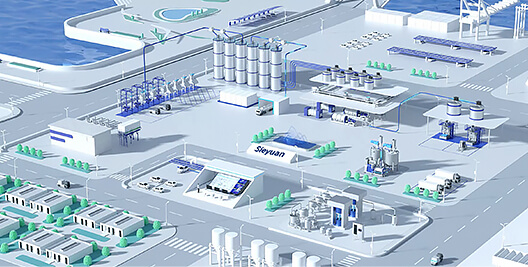

Power System Consulting for Reliable Grid Connection and Stable Operation
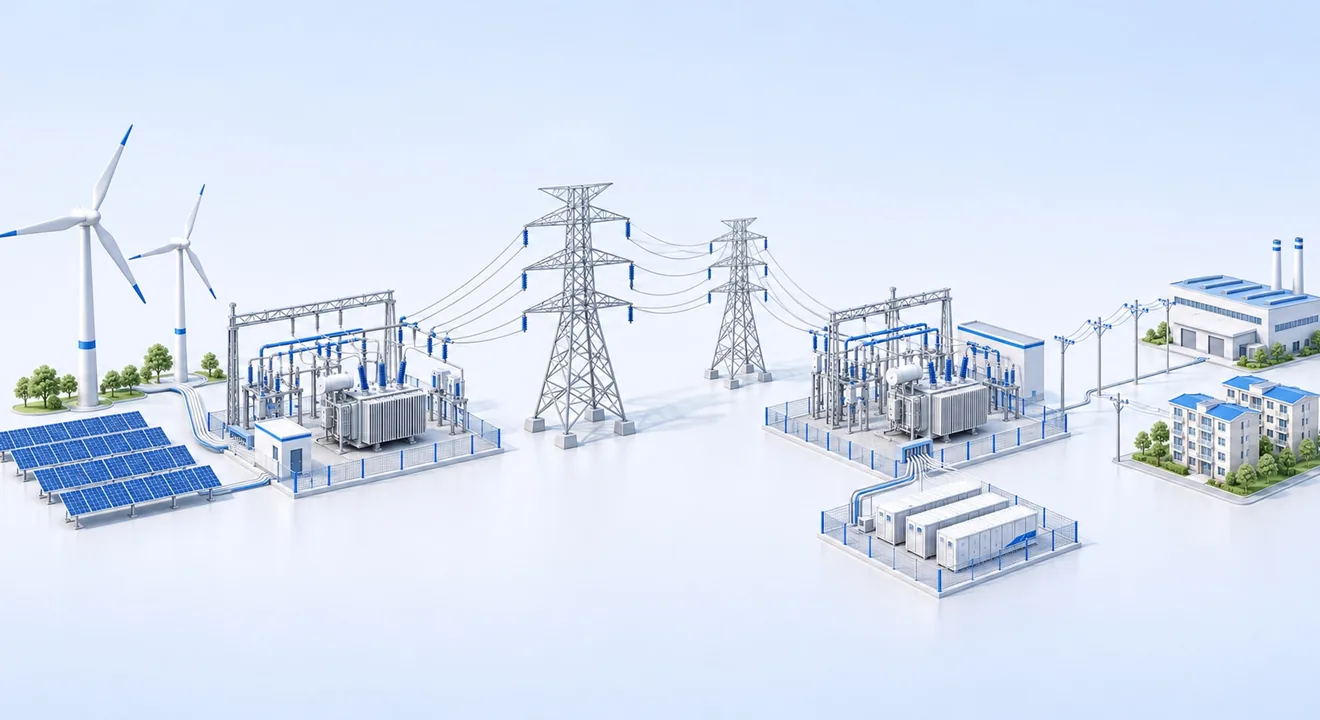
Sieyuan’s power system consulting services provide utilities, energy developers, EPC contractors, and industrial customers with clear answers before they commit to a design. We define what your equipment must do under future grid and microgrid operating conditions, assess interconnection and operating performance, specify equipment duties, and develop and validate the study models behind every result. Because our teams combine power system analysis with equipment engineering, you get practical options compared side by side, with the conditions behind each recommendation fully documented. Scope, assessment criteria and deliverables are tailored to your project.
Power system studies for every stage of a grid connection
Choosing the right power system studies starts with the decision they have to support. Our study team covers each stage of a project, from initial feasibility assessments and equipment requirements to grid integration, equipment duties and validated models.
Grid Equipment Feasibility and Requirements Definition
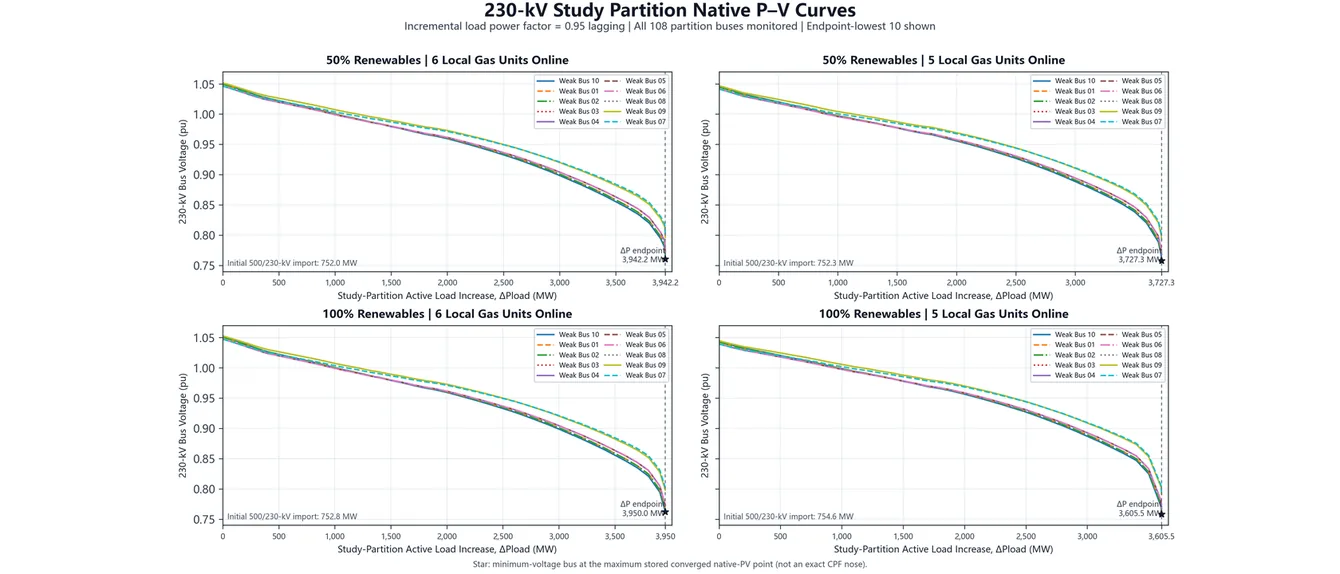
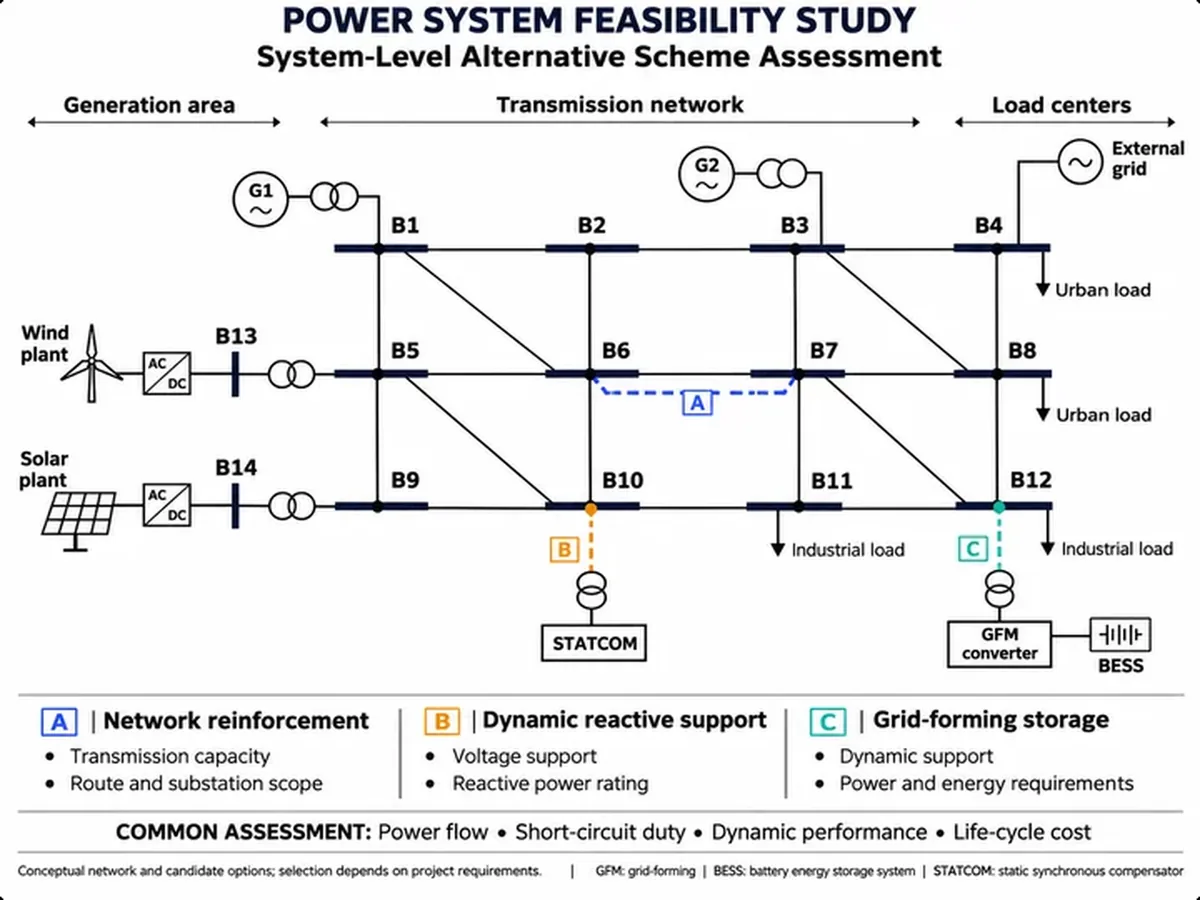
We assess future grid needs and translate them into equipment functional and performance requirements. Using projected generation, load, network configurations, and operating scenarios, we determine which capabilities the system will need, where they will be needed, and the required capacity. We compare feasible equipment options and define preliminary requirements for design and procurement.
What it covers
- Define future operating cases using generation and load forecasts, planned network configurations, and credible contingencies
- Identify where and under which conditions the system will need voltage and frequency support, harmonic mitigation, or islanded operation
- Set preliminary requirements for power and energy ratings, response time, support duration, and operating modes as applicable
- Compare feasible options such as GFM resources, storage, dynamic reactive power compensation and series compensation, filters, and VSC-HVDC
Grid Integration and Performance Assessment
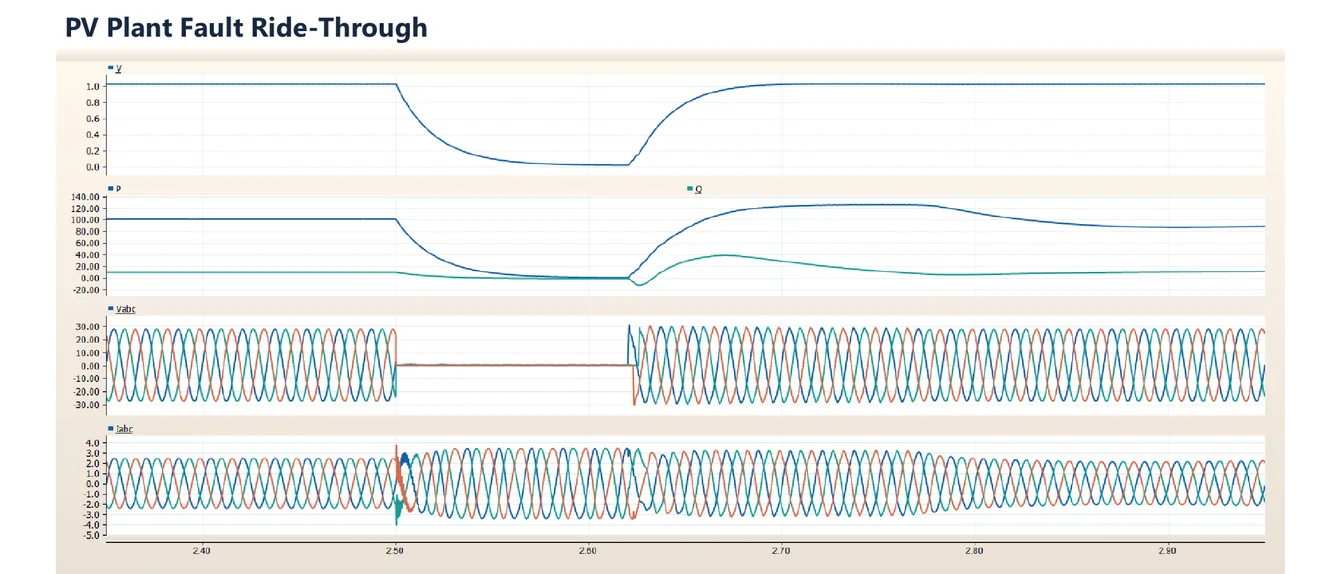
Define the study scope and acceptance criteria using the grid code, network operator requirements, and interconnection agreement applicable at the project location and point of interconnection. Assess GFM and GFL control performance for IBRs as applicable. Evaluate voltage and frequency response, fault ride-through, recovery, harmonics, and control interactions under the required operating and disturbance conditions.
What it covers
- Set study criteria using the project location's grid code, utility requirements, and interconnection agreement
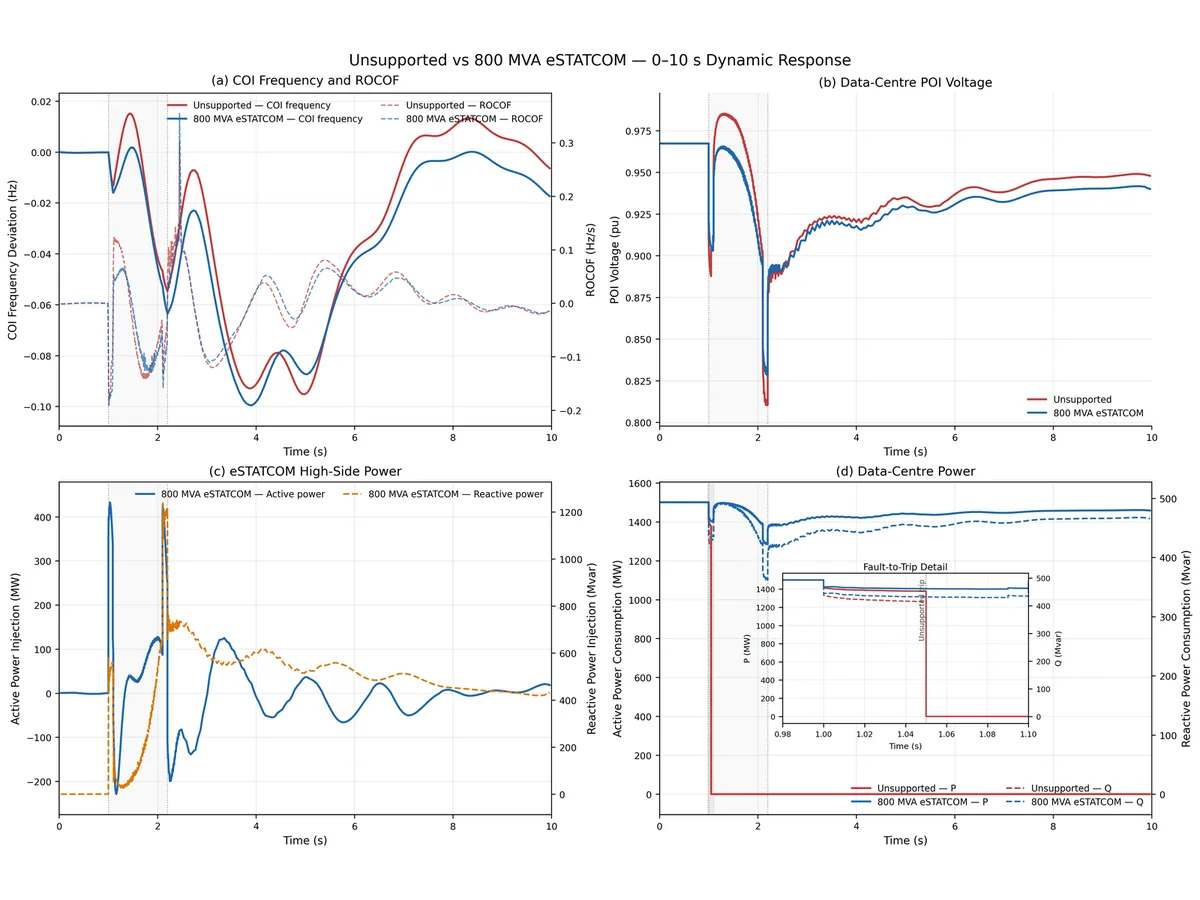
- Assess voltage and frequency response, fault ride-through, and weak-grid performance of GFM and GFL resources
- Evaluate fast frequency response and primary frequency regulation from supercapacitor storage and hybrid battery-supercapacitor systems
- Assess AC/DC control interactions and fault recovery
Equipment Application and Duty Assessment
Translate system study results into equipment ratings, operating duties, and performance requirements. Evaluate compensation, filtering, and oscillation mitigation against the network conditions at the point of application.
What it covers
- Size STATCOMs, grid-forming STATCOMs (GFM STATCOMs), E-STATCOMs, GFM BESS, and supercapacitor systems to meet the required power, energy, and response-duration specifications
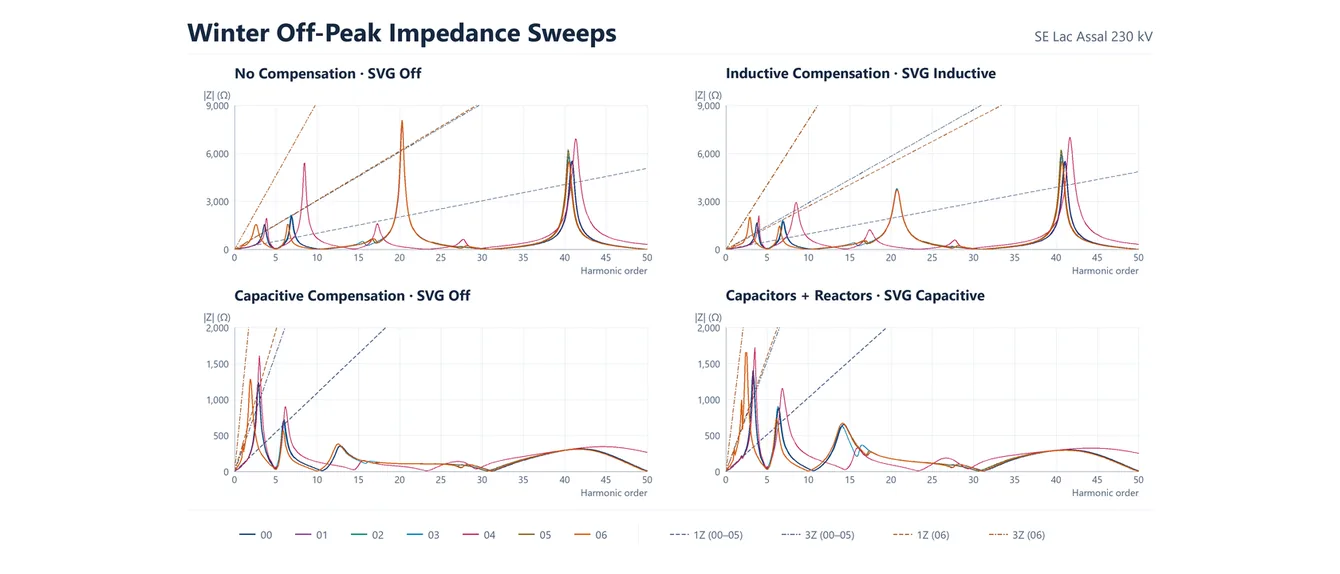
- Assess shunt capacitor banks, reactors, fixed series compensation, and FACTS applications
- Assess harmonic impedance, harmonic distortion at the PCC, and current duty for high-voltage active power filters (APFs) and passive AC/DC filters
- Evaluate oscillation damping with amplitude-phase correctors and ground-fault compensation with arc-suppression coils
- Evaluate switching duties for GIS and GIL, transients associated with transformer and reactor energization, and circuit-breaker TRV and RRRV
Model Development and Validation
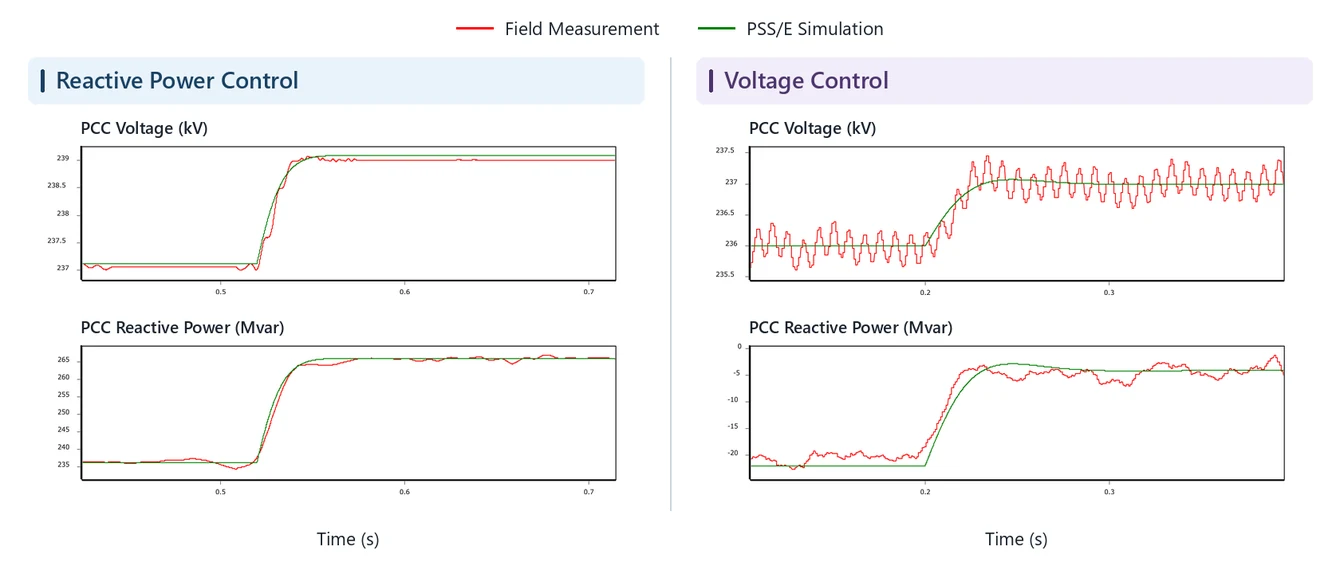
Develop and integrate power system models for the study at hand. Validate power electronic equipment models against available test data or field measurements, or benchmark their response against an agreed reference model. For conventional equipment, use standard models and check parameters during integration. Validate frequency-dependent behavior when it matters to a specialized study, such as a high-frequency transient study or a frequency scan study.
What it covers
- Develop and integrate steady-state, RMS, and EMT models as required by the study
- Validate converter control and protection responses for STATCOMs, GFM STATCOMs, E-STATCOMs, BESS, high-voltage APFs, and VSC-HVDC systems, as applicable
- Check initialization, interfaces, and response at agreed operating points
- Validate conventional equipment models for specialized studies when high-frequency or frequency-dependent behavior affects the result
Compare power system study scope, deliverables and standards
Each study answers a different question at a different stage of a project. The tabs below show when each study is typically needed, what deliverables it provides, and which standards and requirements are used to assess it.
Concept development and feasibility
Grid Equipment Feasibility and Requirements Definition
- When you need it
- You are planning for changes in generation, load, or network configuration and need to determine what equipment must do under future operating conditions. Typical triggers include a planned renewable connection, a weaker interconnection, or a new requirement for islanded operation. The study helps you define requirements before selecting equipment, completing the design, or issuing a tender.
- What you receive
- Preliminary equipment functional and performance requirements by location and operating scenario, including applicable power and energy ratings, response time, support duration, and operating modes. Deliverables also include a comparison of feasible options and the cases and criteria for detailed design verification.
- Standards and requirements
- Use the grid code and utility planning and interconnection criteria applicable at the project location. Define performance targets for agreed future normal, contingency, and islanded scenarios, as applicable, and document the assumptions behind each requirement.
Interconnection application and detailed design
Grid Integration and Performance Assessment
- When you need it
- Your utility requests evidence that the project meets local grid requirements, or you need to resolve weak-grid instability, fault ride-through issues, or harmonic problems before approval or energization.
- What you receive
- Project-specific grid performance results, including GFM and GFL response, supercapacitor frequency support, and VSC-HVDC converter-station interactions where applicable.
- Standards and requirements
Select the applicable requirements by jurisdiction, asset type, and POI. Examples include:
- Great Britain — NESO, The Grid Code, Connection Conditions, as applicable.
- European Union — Commission Regulation (EU) 2016/631 establishing a network code on requirements for grid connection of generators, with applicable national implementation requirements.
- Australian NEM — National Electricity Rules, Schedule 5.2, and the project's agreed Generator Performance Standards, as applicable.
- IEEE 2800-2022 — IEEE Standard for Interconnection and Interoperability of Inverter-Based Resources (IBRs) Interconnecting with Associated Transmission Electric Power Systems. Apply where specified for the project.
- IEEE 519-2022 — IEEE Standard for Harmonic Control in Electric Power Systems. Apply to steady-state harmonic assessment at the PCC where specified.
Model submission, detailed design, or commissioning
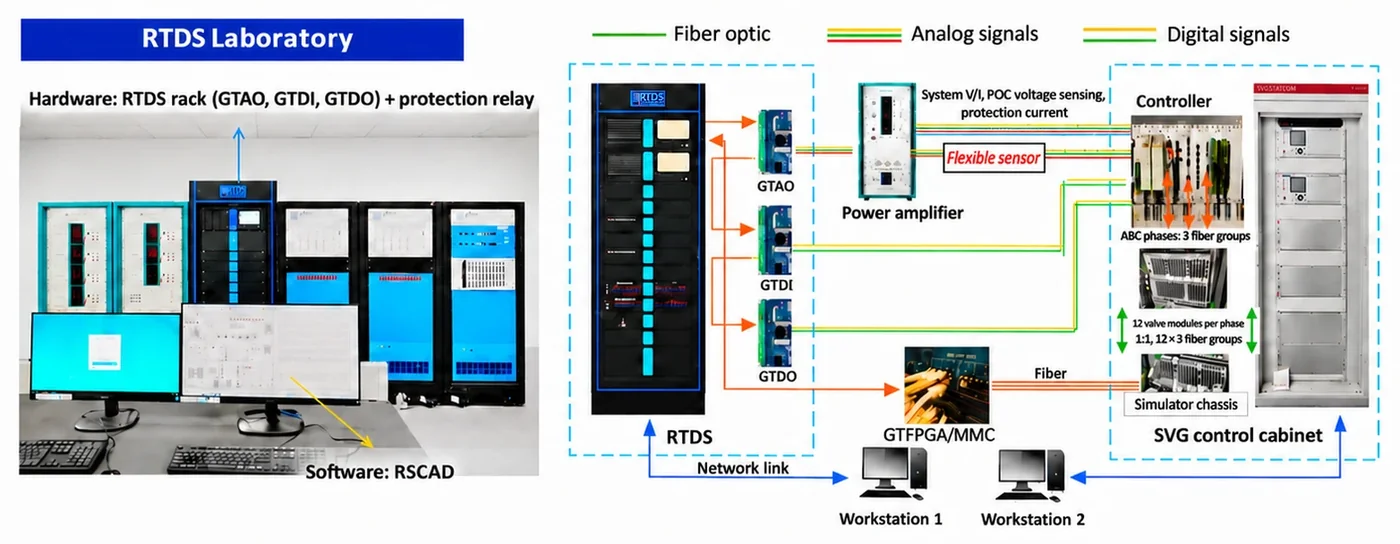
Model Development and Validation
- When you need it
- Your utility requests a validated converter model, vendor models give conflicting predictions, or measured responses differ from the model. For a specialized high-frequency transient study or frequency-response scan, you may also need to verify the frequency response of cables, transformers, or other conventional equipment.
- What you receive
- Study-ready models, where included in the agreed scope, along with documented versions and interfaces, and validation evidence for the equipment and operating conditions assessed.
- Standards and requirements
- IEEE 2800.2-2026 — IEEE Recommended Practice for Test and Verification Procedures for Inverter-Based Resources Interconnecting with Bulk Power Systems. Use for plant-level verification where IEEE 2800 applies.
- For project-specific converter validation or specialized equipment model validation, use the project model requirements, reference data, test cases, measurement points, and acceptance tolerances.
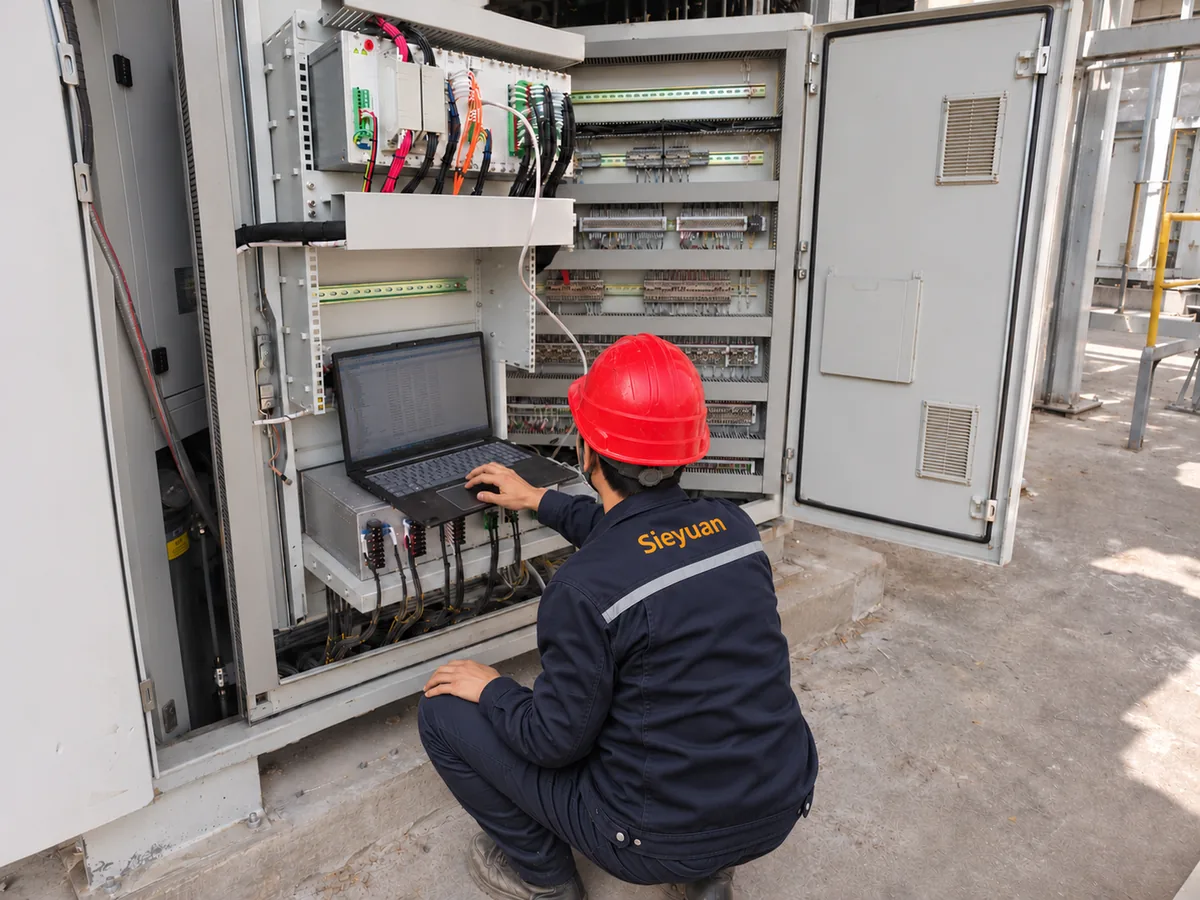 Image digitally edited
Tender, procurement, and detailed design
Equipment Application and Duty Assessment
- When you need it
- You need to set equipment ratings and bid requirements, or determine whether proposed equipment can handle harmonic loading, switching transients, or breaker TRV before you release the specification or finalize the design.
- What you receive
- Recommended equipment ratings, harmonic mitigation requirements, oscillation-damping assessments, and switching and interruption duties as applicable.
- Standards and requirements
- IEC 62271-100:2021+AMD1:2024 — High-voltage switchgear and controlgear - Part 100: Alternating-current circuit-breakers. Apply to interrupting duties and TRV criteria for applicable AC breakers.
- Use the project equipment specifications and agreed switching and fault cases for other equipment duty checks.
- IEC 60143-1:2015+AMD1:2023 — Series capacitors for power systems - Part 1: General. Apply to series capacitor units and banks within its scope.
- IEC 60143-2:2012+AMD1:2021 — Series capacitors for power systems - Part 2: Protective equipment for series capacitor banks. Apply to bank protection within its scope.
Simulation tools behind every study
- PSS®EFor transmission planning and interconnection, compare future generation, load, and network scenarios. Use power flow and contingency analysis to identify loading and voltage constraints, short-circuit analysis to establish fault levels, and dynamic simulation to assess system response to major disturbances.
- PSCAD™ / EMTDC™For GFM, BESS, STATCOM, and VSC-HVDC projects, use EMT simulation to assess weak-grid operation, interactions among converter controls, fault ride-through, and post-fault recovery. Examine current limiting and protection response when the equipment models represent those functions.
- DIgSILENT PowerFactoryFor grid integration and power quality studies, use RMS dynamic simulation to assess voltage and frequency recovery after disturbances. Use harmonic load flow and network impedance frequency sweeps to assess distortion and resonance and compare filter and compensation options.
- ATP-EMTPFor substation design and equipment specification, simulate transformer energization and GIS, cable, capacitor bank, or reactor switching. Calculate inrush current, switching overvoltages, and circuit breaker TRV and RRRV for comparison with the applicable equipment duty criteria.
PSS®E is a registered trademark of Siemens. PSCAD is a registered trademark of Manitoba Hydro International Ltd. Other product names are trademarks of their respective owners.
How a Sieyuan power system study runs, from data request to final report
A study is only as good as the model behind it and the agreement on what it must prove. Each project follows the same steps, so you know what we need from you, what happens next and what you will receive at the end.
Define the scope and collect project data
Agree on the engineering questions, point of interconnection, study boundary, operating scenarios, applicable requirements, and deliverables. Review the single-line diagram (SLD), network data, equipment information, and any gaps in the available inputs.
Develop and check the models
Select steady-state, RMS, or EMT models suited to the study. Check network equivalents, equipment parameters, control and protection interfaces, and initialization. For converter model validation and specialized equipment studies, agree on reference data, model versions, and acceptance criteria.
Run the studies and compare options
Run the agreed cases, review initialization, control responses, and protection responses, and compare the results against the assessment criteria. Where needed, evaluate alternative equipment configurations, control settings, or mitigation measures under comparable conditions.
Deliver the results and support review
Deliver the agreed report, case results, and any models cleared for release. Document inputs, assumptions, assessment criteria, conclusions, and open items. Explain the findings and address review comments within the agreed project scope.
 AI-generated image
What we need from you
Project objectives and requirements, a single-line diagram, interconnection details, operating scenarios, and fault conditions. Depending on the study, provide network equivalents, short-circuit levels, equipment ratings, control and protection models, load and resource profiles, harmonic data, switching sequences, withstand envelopes, and available test records.







Why choose Sieyuan for power system consulting
A study is most useful when the people who run it also understand the equipment it recommends. Sieyuan designs and builds many of the products these studies call for, including the STATCOM, grid-forming STATCOM and power transformers, and brings that experience to every model.
A deliberately small team of senior study engineers. For five years, Sieyuan has run power system studies this way, so every project gets senior attention from scope to final review.
30+
countries where our studies have supported projects
20+
power system studies a year
16+
years of study experience behind our study lead
10+
years of utility grid study experience for most of our engineers
Recent study work includes high-voltage capacitor banks, transmission and distribution overvoltage, gas turbine power plants, E-STATCOMs, grid-forming battery energy storage, active power filters, GIS overvoltage and microgrids.
 Image digitally edited
System Studies Informed by Equipment Engineering
We work with equipment and control engineering teams to translate study results into equipment duties and interfaces. We check that voltage, power, protection, and transient requirements are consistent with available ratings and operating limits.
Engineering Comparisons for Project Decisions
We compare interconnection arrangements, equipment configurations, ratings, and operating strategies under consistent study conditions. The findings help customers identify governing constraints, develop technical specifications, and review design options.
Coordinated Steady-State, RMS, and EMT Analysis
We select the analysis method based on the phenomenon and the decision it informs. We coordinate steady-state, dynamic, impedance, and transient studies so their conclusions can be traced to the relevant network conditions and equipment limits.
Traceable Models and Study Results
We document input data, model versions, operating cases, measurement points, and assessment criteria. Our reports identify the cases that met the criteria, those that did not, and those that remain unverified.
Power system consulting FAQs
Answers to the questions developers, utilities and EPC contractors ask most often before they commission a power system study.
What studies do I need for a grid interconnection application?
The utility or grid operator sets the study requirements for your project. Common studies cover power flow, contingency performance, short-circuit levels, and voltage and frequency response. Depending on the technology, connection point, and local rules, the operator may also require fault ride-through, harmonics, or EMT studies. Confirm the required cases, model formats, and acceptance criteria before starting the application studies.
How do I determine the right STATCOM rating for my project?
Start with the voltage regulation and recovery requirements at the point of interconnection. Assess the reactive power needed across expected operating conditions, credible outages, and faults. Then check how much reactive current the STATCOM can deliver at depressed voltage and how long it can sustain any required overload. Compare candidate locations and ratings against the project criteria. For an energy-equipped STATCOM, assess active power and usable energy requirements separately.
What information do I need to provide before the study starts?
Start with the project objectives, a single-line diagram, the proposed point of interconnection, major equipment ratings, and any utility study requirements. Depending on the scope, we may also need network models or equivalents, fault levels, generation and load profiles, vendor control and protection models, or harmonic data. Available settings and test records are useful for model validation or troubleshooting.
What deliverables and model files will I receive?
The study report documents the inputs, assumptions, operating cases, acceptance criteria, results, and recommendations. Depending on the agreed scope, it may include equipment requirements, compliance results, or model validation evidence. Study cases and model files can be included in the delivery subject to the agreed file formats, licensing, and vendor permissions. Confirm any editable files and model versions at the start of the project.
Can I commission a standalone study without purchasing Sieyuan equipment?
Yes. You can commission a standalone power system study from Sieyuan, including for projects that use third-party equipment. We work with you to define the study scope and prepare a project proposal and quote based on the analyses and deliverables you need. Please provide the relevant equipment manuals and technical data. Depending on the study, we may also need vendor models, control and protection settings, or test records.
Request a Power System Study
Share your project type, connection voltage, capacity, and grid operator requirements, and a Sieyuan engineer will get back to you.