



 Home
Home
Located in the remote, high-altitude Qinghai-Tibet Plateau, Qumahe Township lacked reliable grid access due to harsh terrain and prohibitive grid connection costs.
Off-Grid Microgrid Project in Qumahe Township, Qinghai Province
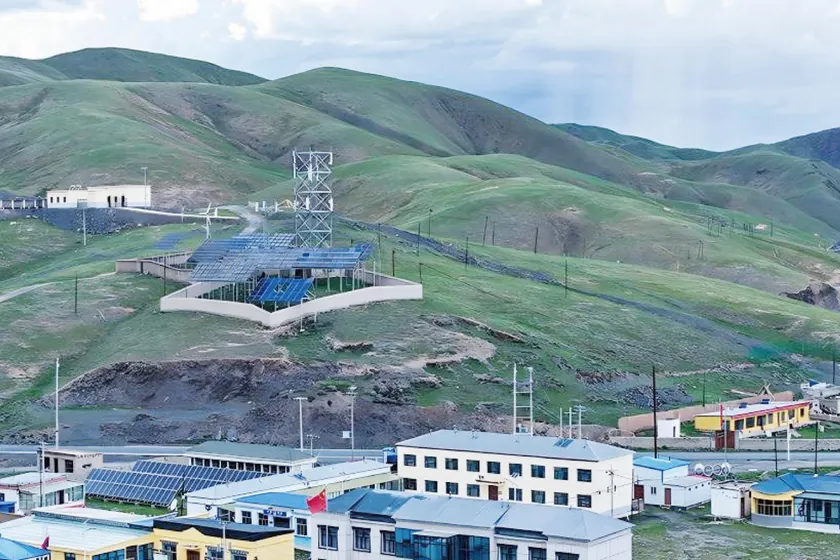
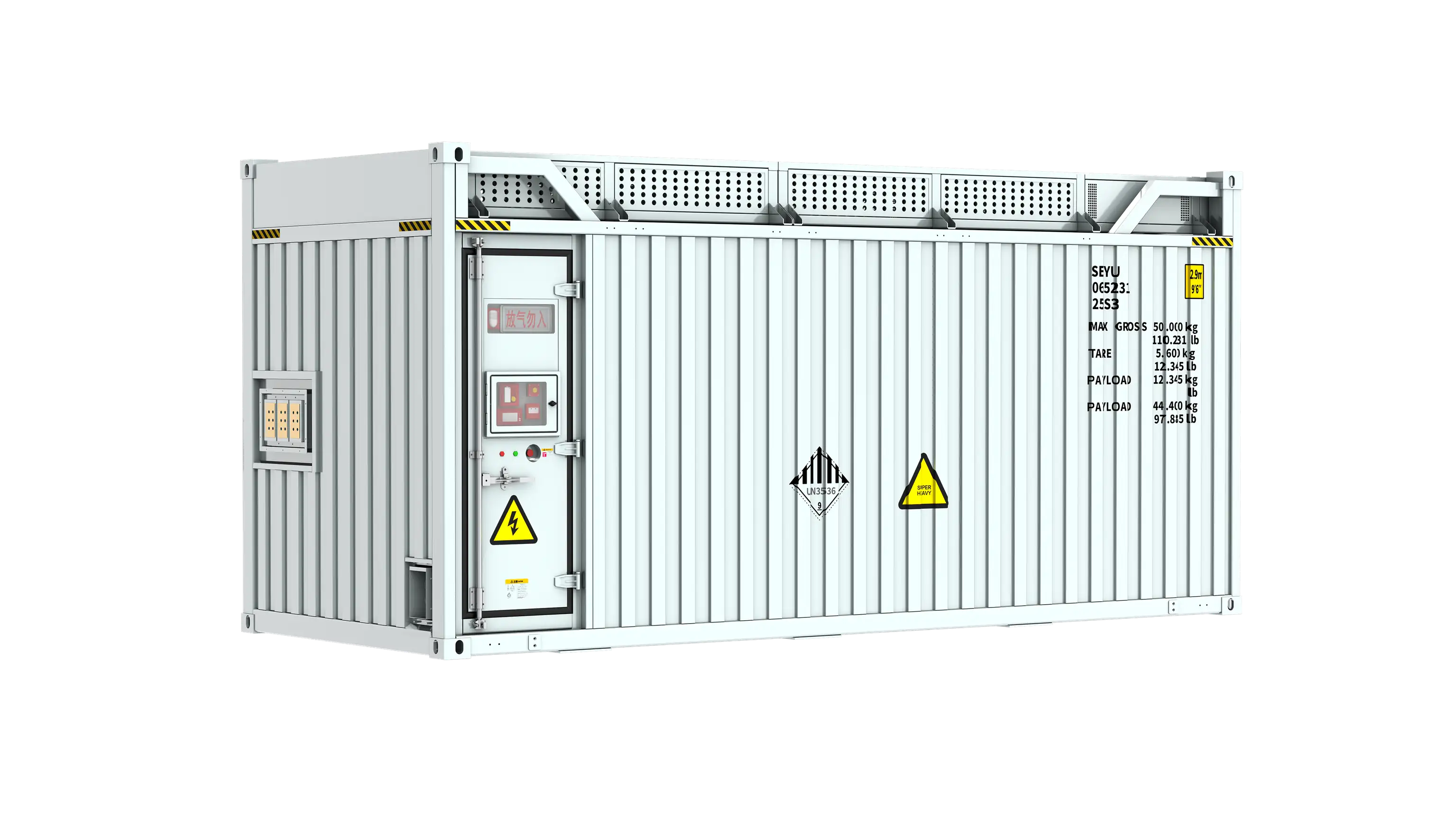
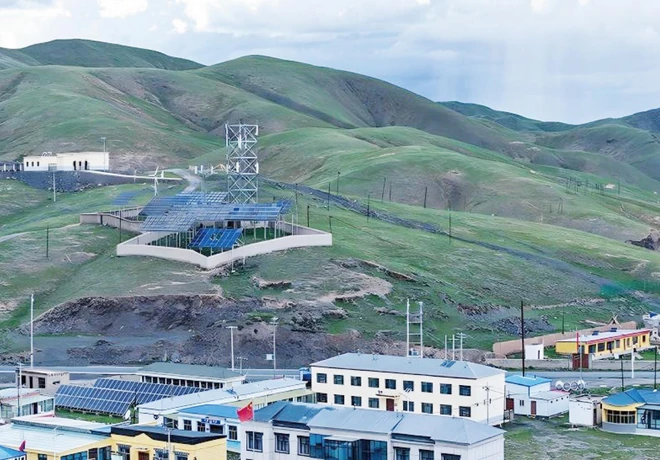
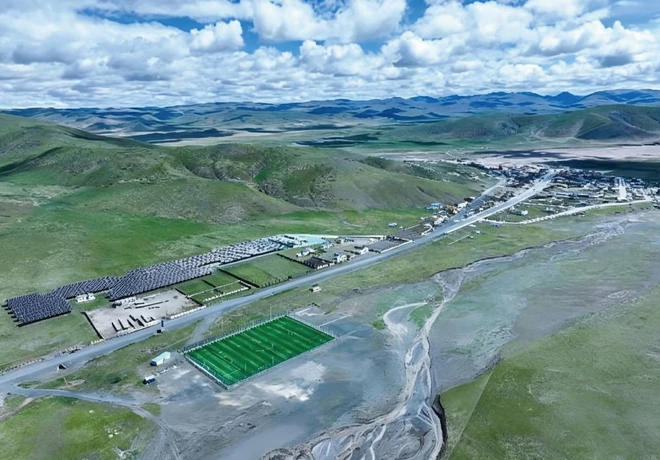
Sieyuan delivered a turnkey off-grid microgrid solution for Qumahe Township in Qinghai Province. The solution comprises a 1.6 MW photovoltaic system, a 6 MW/12 MWh grid-forming energy storage system, a 300 kW diesel generator system, and a 10 kV power distribution system. The system serves an area of approximately 1,480 mu and provides reliable electricity to local hospitals, schools, government institutions, and residential consumers.

Project Overview
Located in the remote, high-altitude Qinghai-Tibet Plateau, Qumahe Township lacked reliable grid access due to harsh terrain and prohibitive grid connection costs.
Project Background
Remote, high-altitude location with no economical grid access.
Key Challenges
Limited grid access and harsh high-altitude operating conditions.
Sieyuan Solution
A turnkey PV-storage-diesel-distribution microgrid with coordinated control and altitude-adaptive design.
Technical Highlights
Grid-forming storage stability with sub-1 ms control and one-touch black-start.
Project Overview


Project Background
Qumahe Township is located in the heart of the Qinghai–Tibet Plateau, approximately 150 km from the county seat of Qumarlêb County, at an average elevation of over 4,500 m. Building grid infrastructure in the area is exceptionally challenging, and local communities have long faced power shortages. Harsh terrain and difficult construction conditions make the construction of transmission lines extremely challenging, resulting in prohibitively high grid connection costs.
Key Challenges
Limited Access to Reliable Power — The project site is located far from the main power grid, while harsh terrain and difficult construction conditions make transmission line construction extremely challenging and costly.
High-Altitude Operating Conditions — The equipment needs to operate under harsh high-altitude conditions, including low atmospheric pressure and wide temperature variations. Reduced insulation strength and cooling performance at high elevations present additional requirements for reliable operation.
Sieyuan Solution
Complete Turnkey Solution — Sieyuan combined photovoltaic generation, grid-forming energy storage, diesel generation, and 10 kV power distribution into a fully autonomous off-grid power system to address the site’s limited grid access.
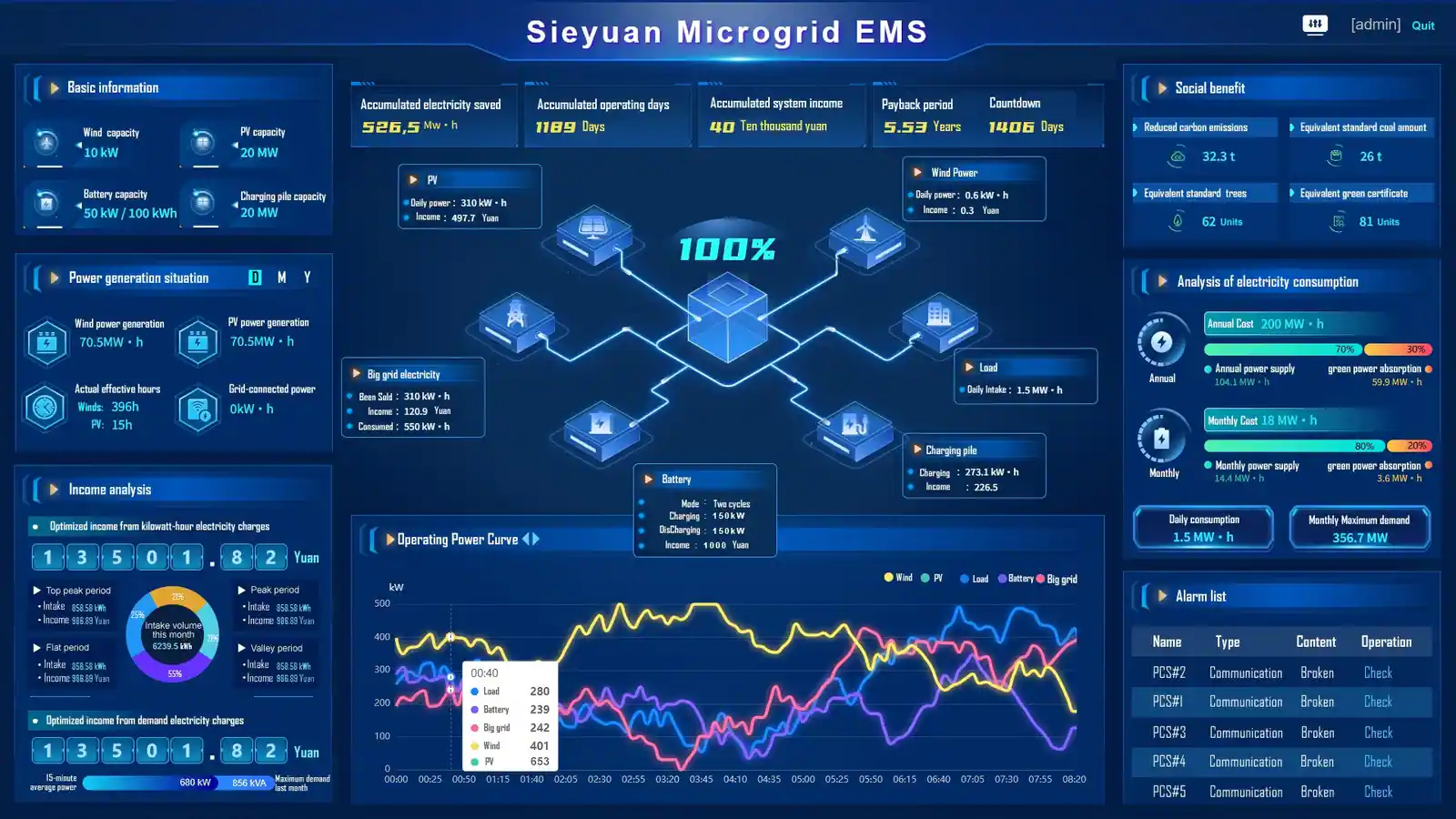
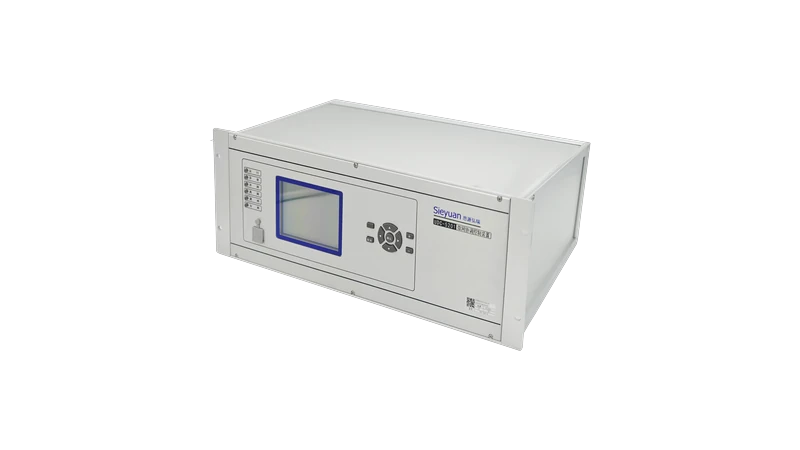
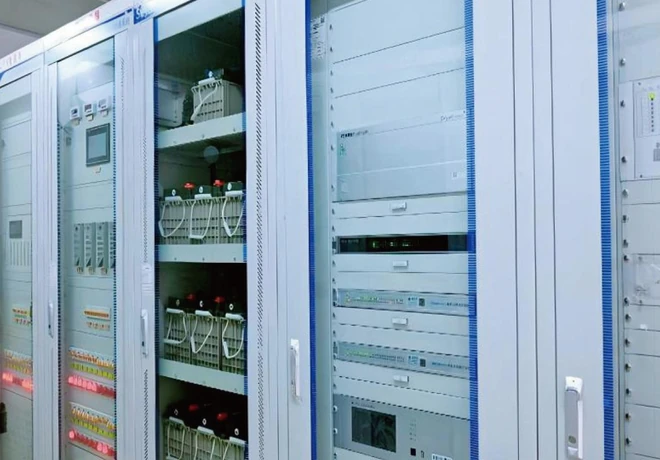
Coordinated Microgrid Control — The solution incorporates substation secondary equipment, frequency and voltage protection devices, a microgrid supervisory control system, an energy management system, and a microgrid coordination controller. Sieyuan also supplied pole-mounted switches and feeder terminal units (FTUs) for the 10 kV distribution feeders.
High-Altitude Adaptation — The equipment is specially engineered for harsh high-altitude conditions. Altitude-adaptive design measures mitigate the effects of reduced insulation strength and cooling performance at high elevations, supporting efficient and reliable operation.
Technical Highlights
Safety and Stability — Based on the “three lines of defense” framework for secure and stable operation of large power grids, the system ensures stability under various operating conditions. The grid-forming energy storage system provides immediate voltage and frequency support without relying on diesel generators as the primary grid-forming source. A high-speed control network with sub-1 ms latency enables fast frequency regulation and system security and stability control. Integrated monitoring and coordinated control of photovoltaic generation, energy storage, and diesel generation maximize photovoltaic utilization under different operating conditions.
Black-Start Capability — Equipped with grid-forming energy storage, the system supports black-start operation. Following a complete shutdown, it can autonomously restore power from a de-energized state and reconnect loads in sequence. The entire process is executed through one-touch automated sequence control, with no manual intervention required.