



 Home
Home
Sieyuan supplied cast resin dry-type transformers for a 203 MW data center in Thailand's Eastern Economic Corridor.
Thailand Data Center | 22kV Cast Resin Dry-Type Transformer
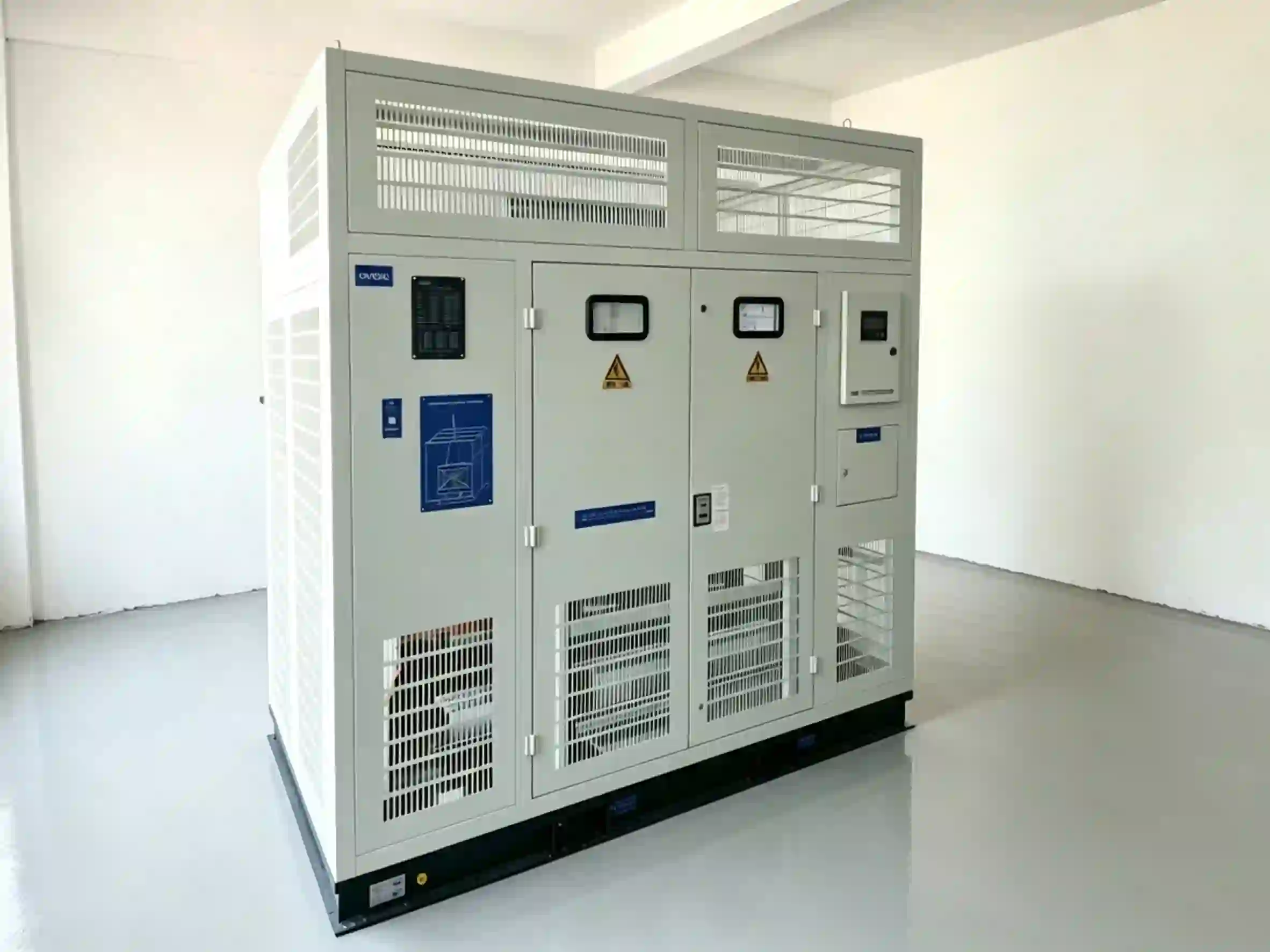
In December 2025, Sieyuan Electric secured a contract to supply cast resin dry-type transformers for a utility-scale data center project in Thailand's Eastern Economic Corridor (EEC). The project demanded highly customized solutions engineered specifically for tropical coastal environments—combining extreme heat and humidity resistance with the uncompromised power reliability that mission-critical data center operations require. Sieyuan delivered a fully optimized transformer design featuring Class H insulation, IP42-rated sealed enclosures, comprehensive C5-grade corrosion protection, and intelligent temperature monitoring. Our scope of work spanned complete design, procurement, installation supervision, and final commissioning.

Project Overview
Sieyuan supplied cast resin dry-type transformers for a 203 MW data center in Thailand's Eastern Economic Corridor.
Project Background
A flagship EEC data center investment requiring tropical-rated MV transformers.
Key Challenges
Persistent heat, humidity and coastal salt spray against data center uptime demands.
Sieyuan Solution
Class H epoxy resin, an 80 K low temperature rise and forced-air cooling.
Technical Highlights
Climate adaptability, premium grain-oriented core material and low losses.
Project Overview


Project Background
Thailand's Eastern Economic Corridor (EEC) has emerged as a premier destination for foreign investment in cloud infrastructure and AI-driven data centers. A flagship project in the EEC—representing a 23.7 billion THB investment with 203 MW of capacity—required high-reliability, climate-adapted cast resin dry-type transformers to support continuous, large-scale power demands.
Key Challenges
- Harsh Tropical Coastal Conditions — The EEC site is subject to persistent high ambient temperatures, extreme humidity, and coastal salt spray. These environmental factors accelerate insulation aging, promote condensation, and corrode structural steel over time.
- Stringent Data Center Reliability Standards — Continuous, 24/7 power requirements introduce severe harmonic distortion and frequent load fluctuations, placing exceptionally high demands on equipment stability and long-term reliability.
Sieyuan Solution
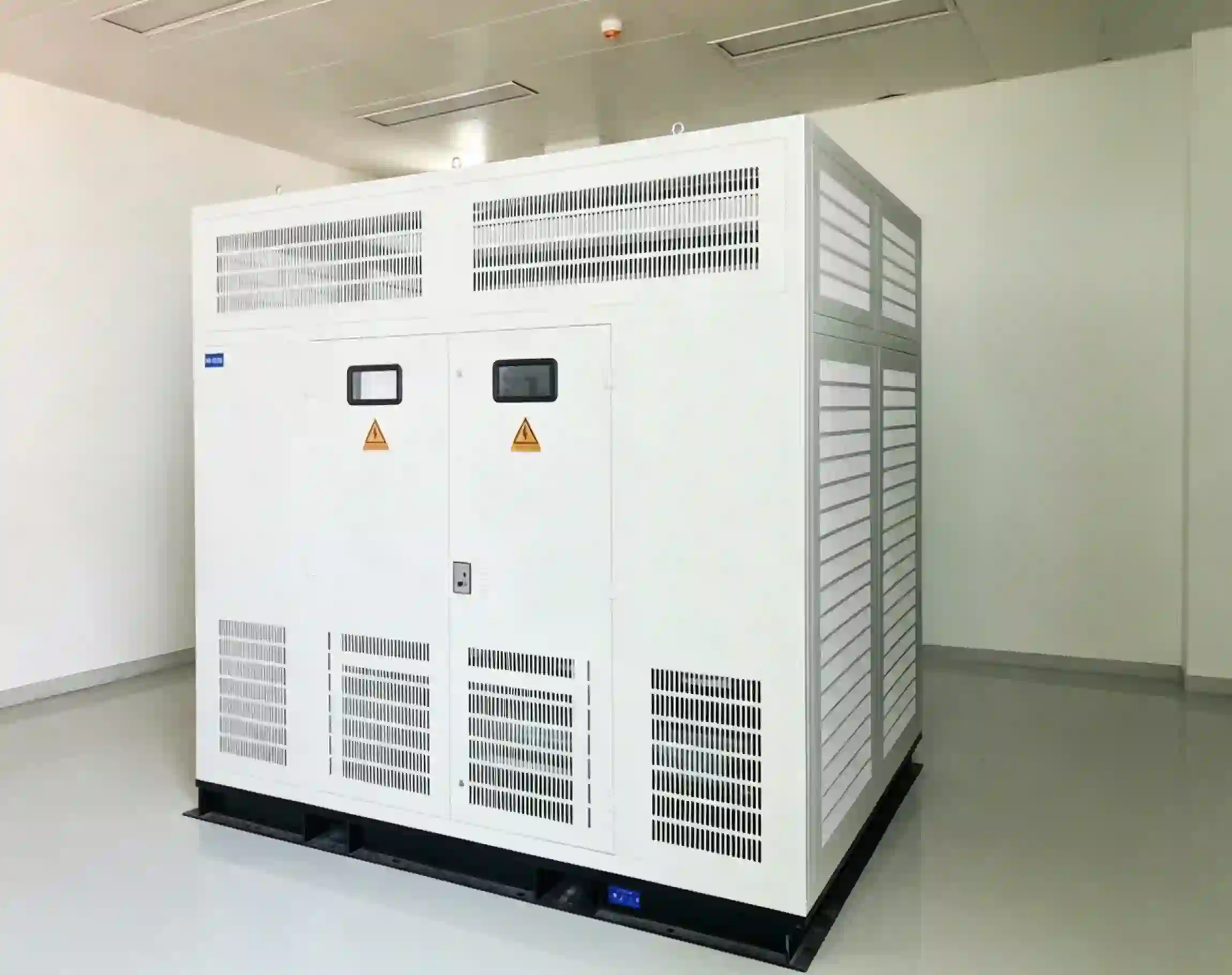
- Optimized Thermal Performance — Engineered with Class H high-temperature-resistant epoxy resin and an 80K ultra-low temperature rise design. Supplemented by cross-flow forced-air (FA) cooling fans, this configuration provides a substantial thermal margin for continuous, high-temperature operation.
- Advanced Moisture Protection — A vacuum-cast, fully sealed winding construction combined with an IP42-rated enclosure blocks moisture and salt spray ingress, effectively eliminating condensation and short-circuit risks.
- C5-Grade Corrosion Resistance — All structural metal components receive comprehensive ISO C5-grade anti-corrosion treatments. Premium cold-rolled grain-oriented (CRGO) silicon steel cores paired with a pollution-resistant, anti-tracking coating ensure stable, long-term performance in coastal environments.
- Intelligent Monitoring — An integrated PT100 real-time temperature monitoring system features customized alarm and trip thresholds to support continuous, stable operations and predictive maintenance schedules.
Technical Highlights
- Outstanding Climate Adaptability — Integrated high-temperature insulation and a forced-cooling configuration effectively mitigate insulation aging, fully adapting to demanding tropical operating environments.
- Premium Core Material Performance — High-quality, grain-oriented silicon steel sheets deliver low losses and stable magnetic performance, while the anti-tracking coating significantly improves winding moisture resistance and dielectric strength.
- High-Grade Corrosion Resistance — Full-process C5-grade anti-corrosion treatments provide comprehensive protection against coastal salt spray and high humidity, securing long-term structural and electrical integrity.
- Reliable 24/7 Operation — The optimized sealing architecture, combined with intelligent thermal monitoring, meets the stringent continuous-availability requirements of large-scale data center power infrastructure.