



 Home
Home


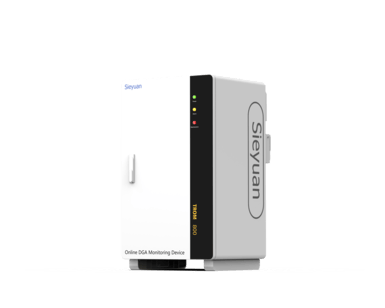 In July 2026, Sieyuan Electric's TROM series dissolved gas analysis (DGA) monitors passed rigorous testing and assessment by internationally recognized certification bodies, earning CE, cETLus, and IECEE CB certification. The products meet the applicable European Union, North American, and IEC standards for electrical safety, electromagnetic compatibility, and product compliance.
CE Marking
The CE marking was granted in full accordance with the EU Low Voltage Directive (LVD) 2014/35/EU and the Electromagnetic Compatibility Directive (EMC) 2014/30/EU, with product safety meeting the core requirements of EN 61010-1. In the complex operating conditions of modern power systems, meeting these requirements limits electromagnetic interference and supports stable, reliable long-term operation.
cETLus (U.S. and Canada)
The cETLus mark is issued by a certification body accredited as a Nationally Recognized Testing Laboratory (NRTL) under the U.S. Occupational Safety and Health Administration (OSHA) and authorized by 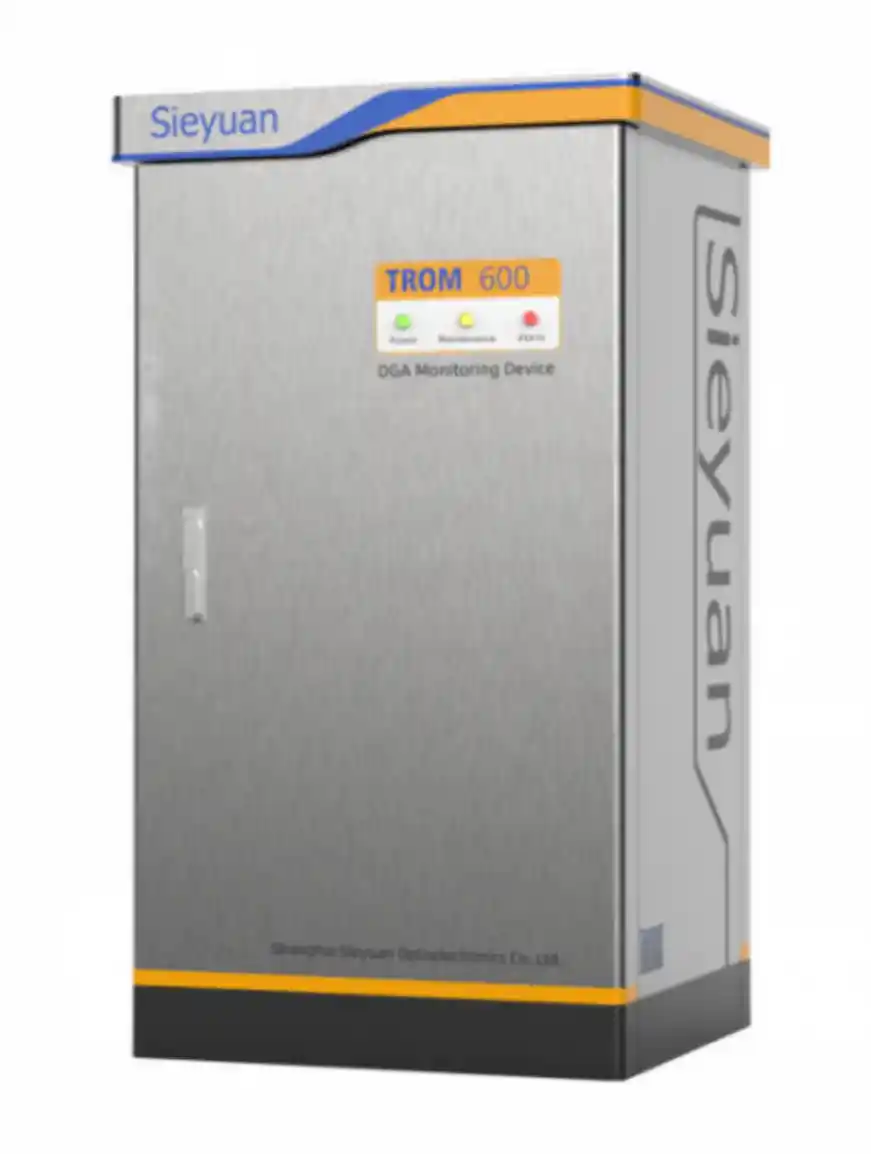 the Standards Council of Canada (SCC). It confirms that the products comply with UL 61010-1 and CSA C22.2 No. 61010-1-12, the governing electrical safety standards in the United States and Canada.
IECEE CB
The IECEE CB certificate is based on IEC 61010-1, the international safety standard published by the International Electrotechnical Commission (IEC). As an authoritative certification under the IECEE system — mutually recognized across 54 member countries — it confirms that the series' electrical design, safety architecture, and performance parameters fully meet internationally accepted electrical safety requirements.
A Proven Platform
Since its launch 20 years ago, the TROM series has surpassed 30,000 cumulative deliveries across dozens of countries. Engineered for accuracy, intelligence, reliability, and safety — with maintenance-free operation and full data visibility — the products also support edge computing and intelligent diagnostics. Together, these capabilities deliver real-time transformer condition monitoring, early warning of abnormal conditions, and assisted fault diagnosis, helping users evaluate equipment health and make well-informed maintenance decisions.