


 Home


1. What Is a Mobile Substation?
A mobile substation is an integrated electrical system that combines high-voltage switchgear, power transformers, medium-voltage switchgear, protection and control equipment, communication systems, and auxiliary facilities in a transportable configuration.
Designed to provide substation functions where and when they are needed, mobile substations support emergency power restoration, temporary power supply, planned maintenance, and other applications requiring flexible deployment. By integrating electrical equipment before delivery, they can reduce on-site installation work and help shorten deployment schedules.
Depending on the transportation and mounting arrangement, mobile substations are generally classified as trailer-mounted or skid-mounted.
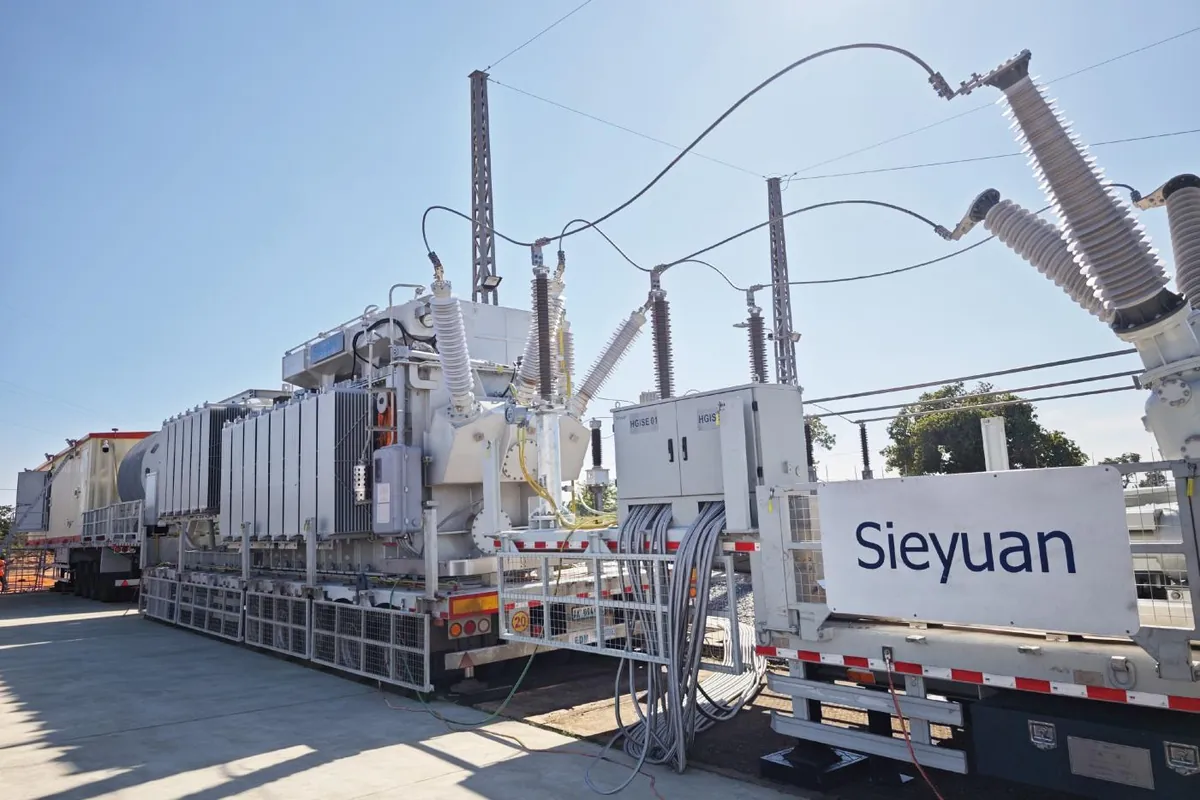
A trailer-mounted mobile substation: transformer, switchgear, and auxiliary equipment integrated on a semi-trailer chassis.
2. Types of Mobile Substations
Trailer-Mounted Mobile Substations
A trailer-mounted mobile substation integrates primary and secondary electrical equipment onto one or more semi-trailer chassis. Equipment assembly, internal wiring, and factory integration testing are completed before shipment.
After delivery, the trailer is positioned and secured at the site. The remaining work typically includes external electrical connections, required site testing, and commissioning. Because much of the equipment integration is completed in the factory, this configuration can significantly reduce on-site installation activities.
Whole shipment
Site 5%
This configuration is particularly suitable for applications requiring rapid deployment and relocation, such as emergency power restoration and temporary substation capacity.
Skid-Mounted Mobile Substations
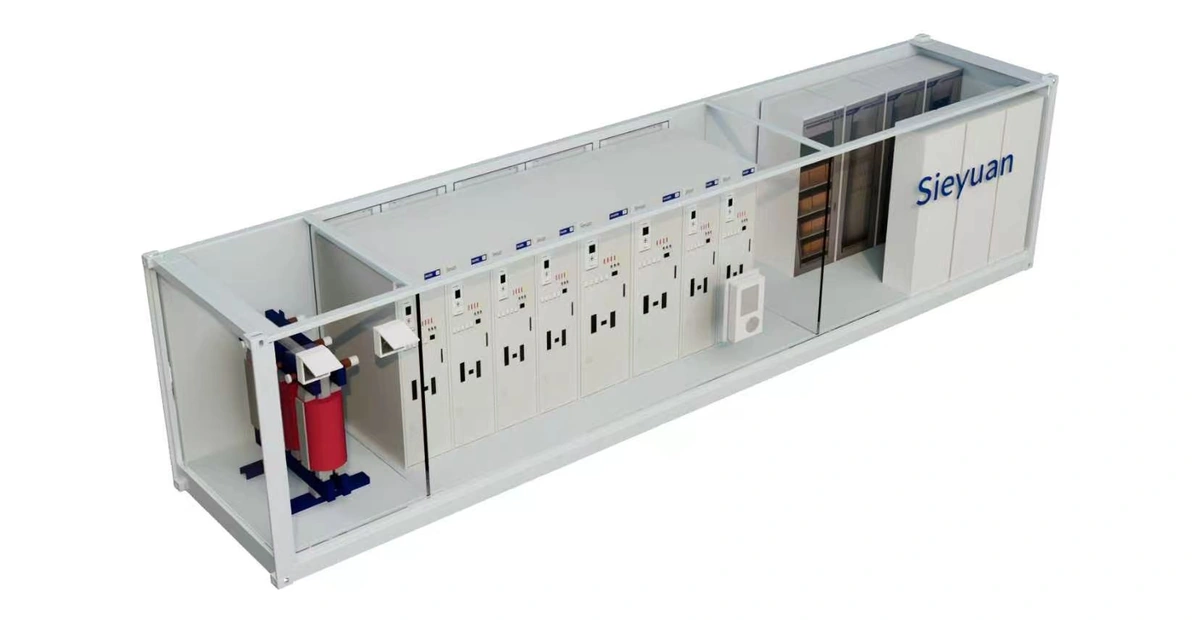
A skid-mounted mobile substation installs electrical equipment on a movable steel-frame base. Unlike a trailer-mounted system, the skid itself is not necessarily road-ready and typically requires separate transportation and lifting arrangements.
Its main advantage is the integration of equipment on a common structural platform, which can reduce the need for extensive on-site civil construction and conventional equipment foundations, depending on the project design.
However, skid-mounted configurations may require more on-site electrical installation and commissioning than fully integrated trailer-mounted systems. Their suitability depends on the transportation arrangements, site conditions, installation scope, and required deployment schedule.
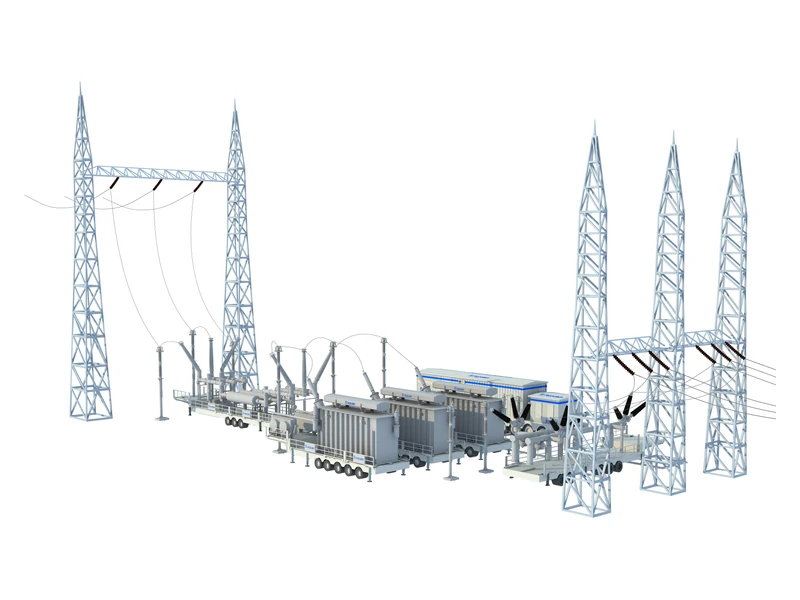
Trailer-Mounted Mobile Substations
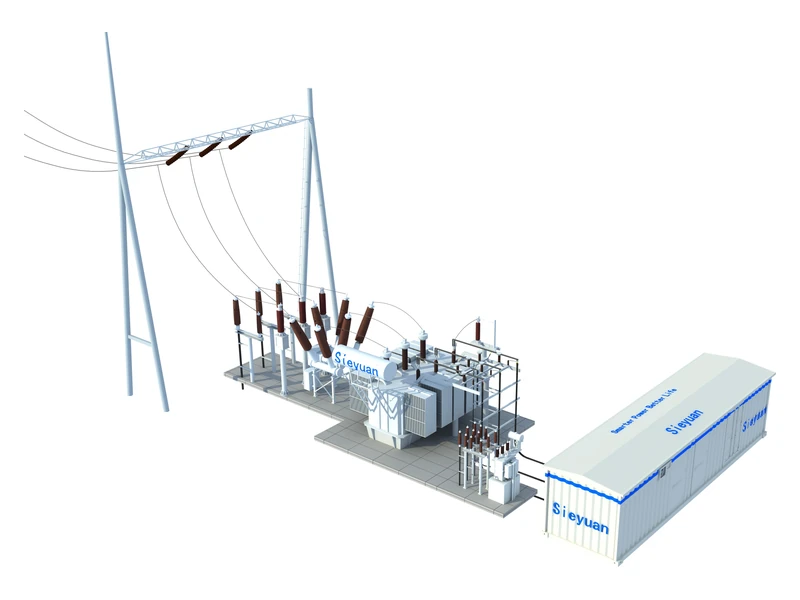
Skid-Mounted Mobile Substations
3. Mobile Substation Applications
Mobile substations provide flexible solutions for temporary power requirements, equipment maintenance, and emergency response.
Typical applications include:
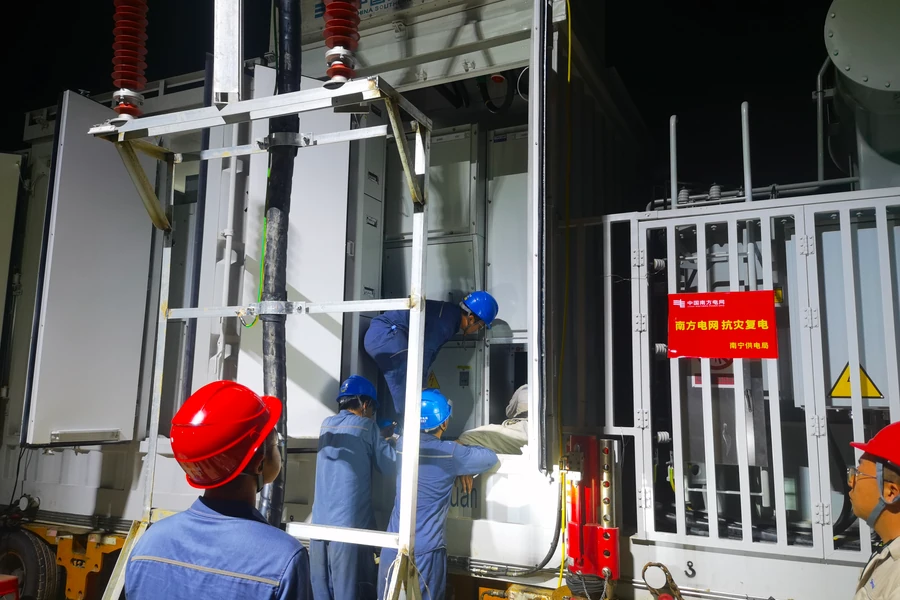
Emergency power restoration
Supporting electricity supply following natural disasters or major equipment failures.
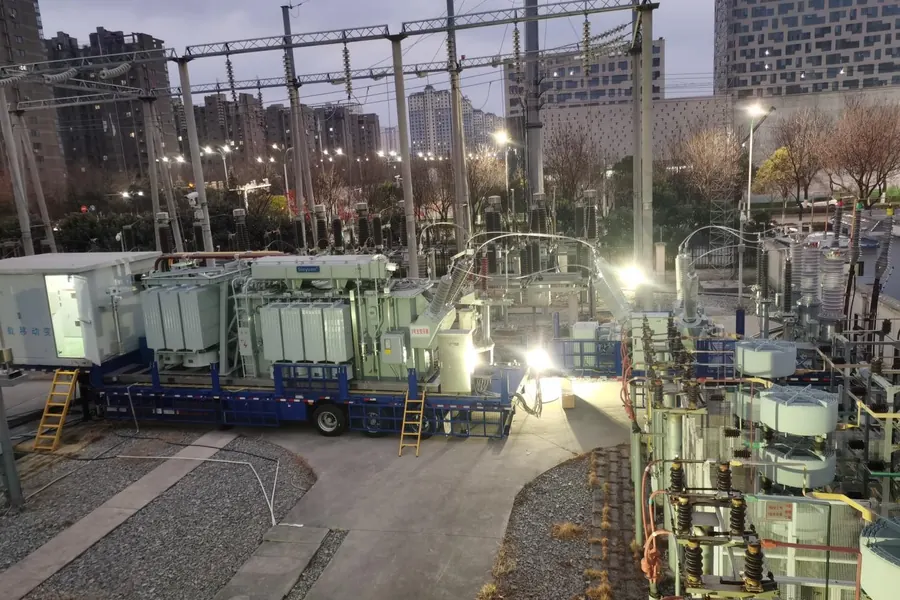
Equipment replacement and maintenance
Maintaining power supply while permanent substation equipment is repaired or replaced.
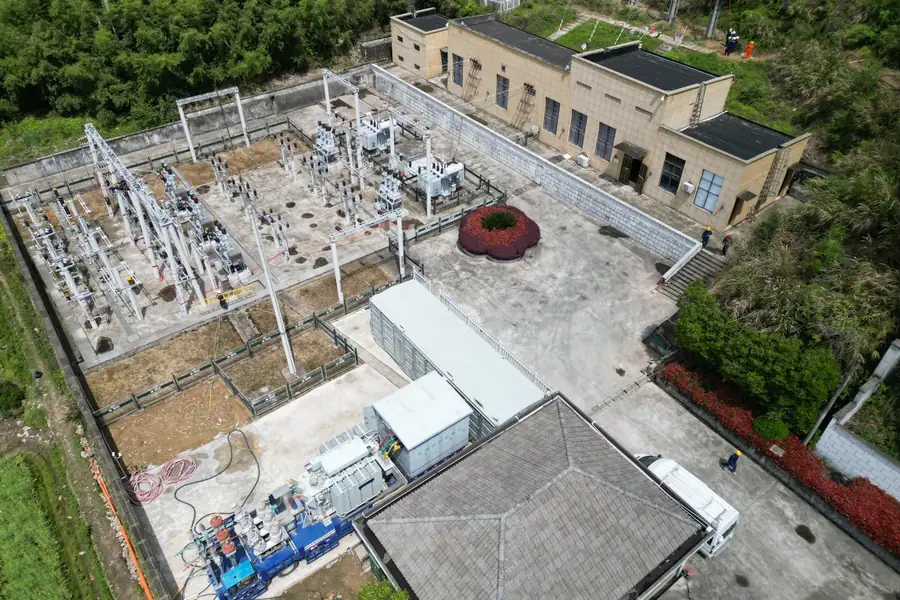
Planned substation outages
Providing temporary substation capacity during scheduled maintenance or upgrades.
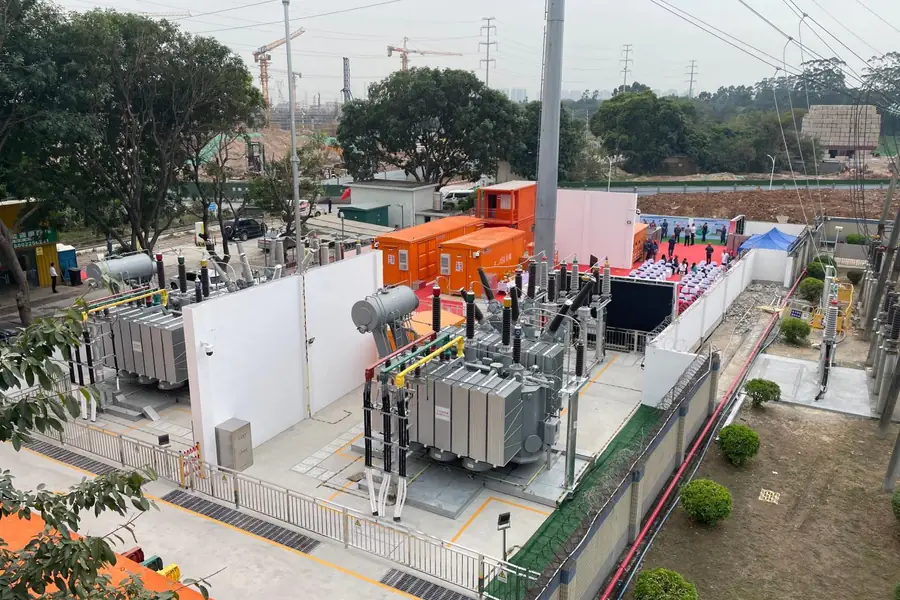
Construction power supply
Meeting temporary electricity requirements at construction sites.
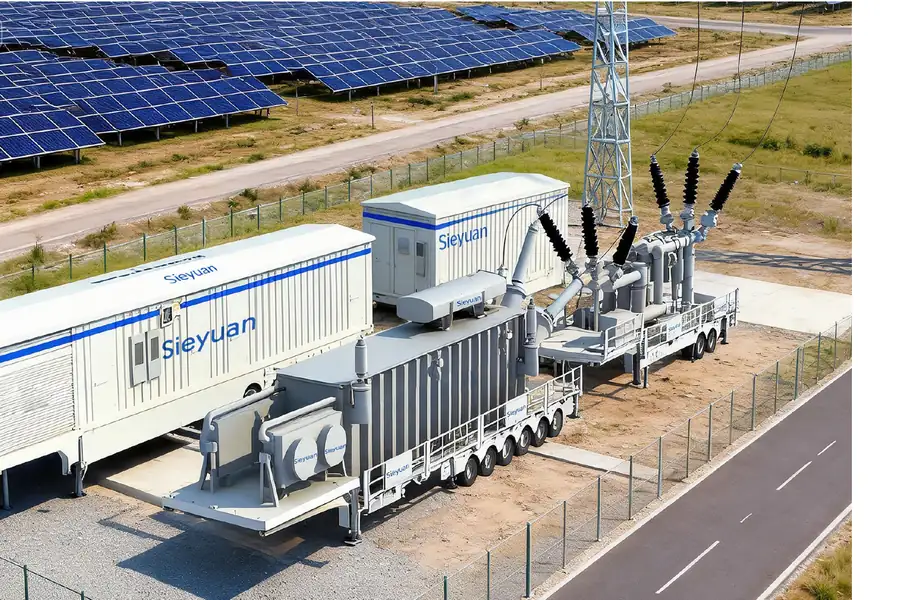
Renewable energy projects
Supporting interim grid connections or temporary power infrastructure where technically suitable.
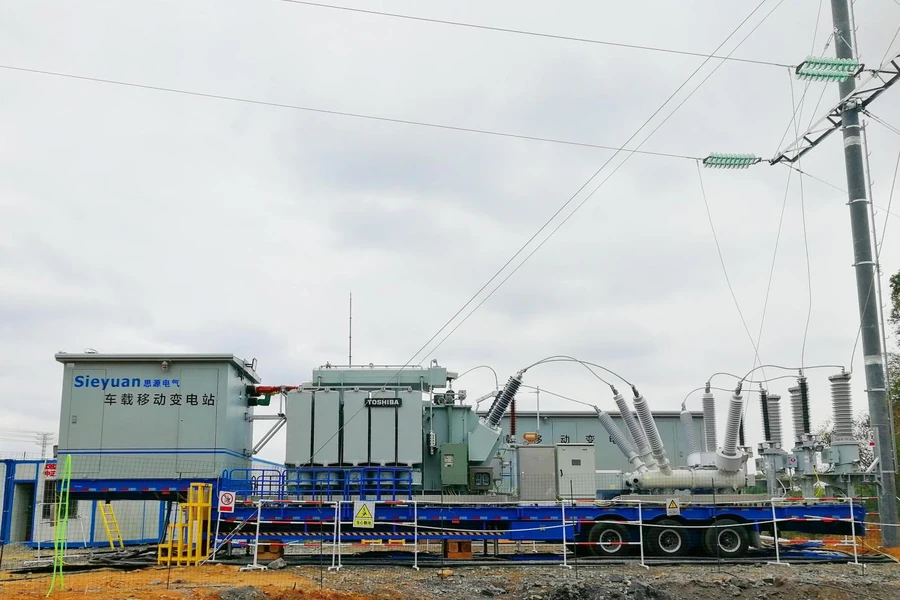
Temporary capacity expansion
Meeting short-term increases in electricity demand without immediately constructing a permanent substation.
4. Advantages of Mobile Substations
Shorter On-Site Construction Time
For trailer-mounted solutions, equipment integration, internal wiring, and factory testing can be completed before shipment. This reduces the amount of installation work required at site and allows site preparation and factory manufacturing to proceed in parallel.
Skid-mounted solutions can also reduce civil construction requirements, although their on-site electrical installation scope may be greater. The overall schedule benefit depends on the configuration and project conditions.
Flexible Transportation and Deployment
Trailer-mounted mobile substations can be transported between locations using suitable vehicles. Skid-mounted units can be relocated using appropriate lifting and transportation equipment.
This flexibility allows utilities and industrial operators to deploy temporary substation capacity where it is needed, particularly during emergencies, planned outages, and equipment replacement.
Reduced Civil Construction Requirements
By integrating equipment into a trailer-mounted or skid-mounted structure, mobile substations can reduce the need for conventional substation buildings and extensive civil works, depending on the installation design.
This can be valuable for temporary installations, sites with limited construction time, and projects where permanent infrastructure is not immediately available.
5. Sieyuan Electric Mobile Substation Solutions
Sieyuan Electric provides mobile substation solutions for applications requiring flexible deployment and reliable electrical infrastructure.
Voltage Coverage and Project Experience
According to the company's stated product capabilities, Sieyuan Electric's mobile substation solutions cover voltage levels up to 420 kV. The company also reports more than 300 mobile substation projects delivered worldwide, serving operating environments that include mining areas, coastal regions, deserts, and cold climates.
Project-Specific Engineering
Mobile substation configurations can be tailored to project-specific electrical requirements, transportation constraints, site conditions, and operating environments. Trailer-mounted solutions prioritize mobility and rapid deployment, while skid-mounted solutions provide modular equipment integration with transportation and installation arrangements adapted to the project.
Engineering considerations may include equipment arrangement, structural design, thermal management, environmental protection, and corrosion protection, as required by the project specifications.
Project Delivery Support
Depending on the contracted scope, project delivery can include solution development, engineering design, equipment integration and manufacturing, factory testing, transportation coordination, site installation support, and commissioning. Operation and maintenance services may also be included where required.
By coordinating electrical equipment integration with project-specific engineering and deployment requirements, Sieyuan Electric aims to support flexible power supply arrangements and reduce on-site installation requirements for temporary and emergency applications.
6. Conclusion
Mobile substations provide a flexible approach to temporary power supply, emergency restoration, equipment maintenance, and short-term capacity expansion. The choice between trailer-mounted and skid-mounted configurations depends on electrical requirements, transportation arrangements, site conditions, and deployment schedules.
As a provider of power transmission and distribution equipment and solutions, Sieyuan Electric brings together a broad product portfolio and engineering capabilities to address diverse power infrastructure needs. Its mobile substation solutions form part of this broader offering, supporting utilities and industrial customers with project-specific configurations for different operating environments and application requirements.